Choosing the Right Antifreeze for Your Car: Classes, Compatibility, and Replacement Tips

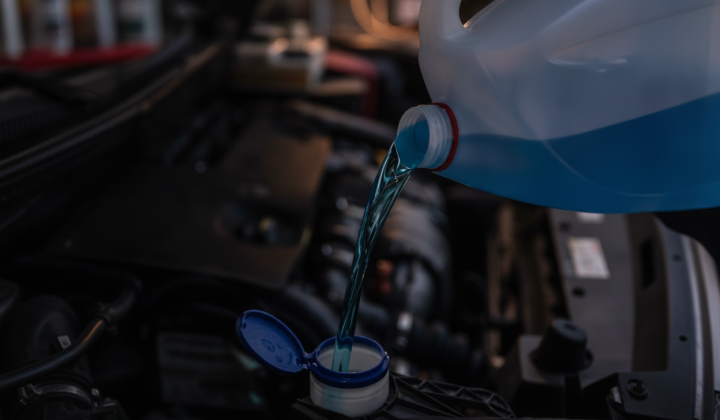
How to Select the Appropriate Antifreeze for Your Vehicle
According to ХВИЛЯ: Antifreeze plays a crucial role in a car’s cooling system, and selecting the correct type should always follow the manufacturer’s specifications rather than relying on color alone. In Ukraine, antifreeze is categorized into several classes, including G11, G12, G12+, G12++, and G13. These categories differ based on their additive compositions and lifespan.
For instance, G11 contains inorganic additives such as silicates and typically has the shortest service life. In contrast, G12 antifreeze is organic, featuring carboxylate-based additives that extend its longevity. The G12+, G12++, and G13 variants are hybrids, with G13 using propylene glycol as its base, making it less toxic and more environmentally friendly.
Guidelines for Mixing Different Antifreeze Types
Because there is no universal color standard for antifreeze, mixing different classes can cause sediment buildup and damage. It’s generally safe to combine G12, G12+, and G12++ antifreezes, but mixing G11 with any G12 variants is not recommended. When the class of an existing antifreeze is unknown, it’s best to completely flush the system and refill with distilled water before adding new antifreeze.
Concentrated antifreeze should be diluted with distilled water in a 1:1 ratio, while pre-mixed antifreeze is ready to use as is. A 50/50 mixture typically freezes at temperatures between -35°C and -40°C.
The replacement interval varies by antifreeze class, ranging from 2-3 years up to 5 years. Before winter, it’s essential to check the freezing point and fluid level in the expansion tank. Most regions in Ukraine benefit from antifreeze mixtures that freeze around -35°C, whereas northern and eastern areas require products with a lower freezing point for added protection. Signs that antifreeze needs changing include:
- frequent engine overheating,
- reduced heater performance,
- sediment appearing in the reservoir,
- and expiration of the recommended service life.
When replacing antifreeze, follow these steps carefully:
- Allow the engine to cool completely,
- Drain the old coolant,
- Flush the system with distilled water until the output is clear,
- Refill with new antifreeze up to the MAX mark,
- Warm up the engine,
- Then top off the fluid and bleed any trapped air.
Since antifreeze is toxic, it must be kept away from children and pets. Dispose of used antifreeze responsibly by taking it to designated recycling centers-never pour it onto the ground or into drains.
Founded in 2008, EXIST.UA operates 27 auto parts stores across 21 Ukrainian cities, specializing in automotive components including antifreeze. Choosing the right antifreeze and replacing it on time ensures your car’s cooling system runs efficiently and helps extend engine life.
Understanding antifreeze classifications and their characteristics is vital for drivers. Proper maintenance and timely fluid changes not only keep your vehicle safe but also prevent costly engine repairs. Given Ukraine’s climate, selecting antifreeze with the appropriate freeze protection is essential for maintaining reliable vehicle performance year-round.

Read also