Biobattery Inspired by the Small Intestine Generates Electricity Eight Times More Efficiently, Say US Scientists

Harnessing Energy from the Intestine
According to НВ — Техно: A team of American researchers has developed an innovative bacterial biobattery modeled after the structure of the human small intestine. This cutting-edge device produces electric current using living bacteria, presenting a promising solution for autonomous monitoring of sewage systems. It is designed to utilize wastewater as an organic fuel source for the bacteria.
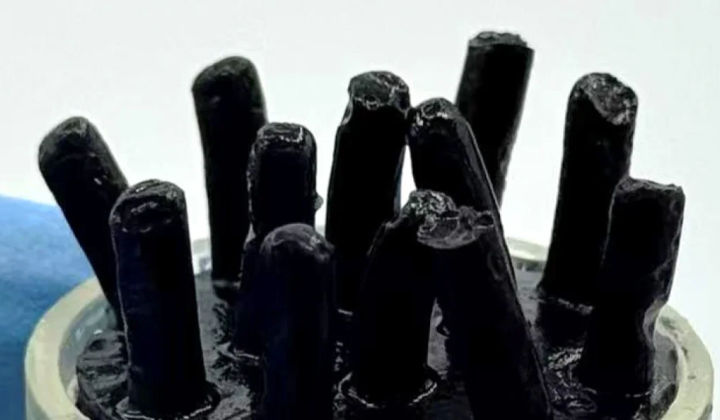
The intestinal villi-inspired design dramatically boosts electricity generation, achieving over eight times the output of traditional flat electrodes. Published in the journal Small, the study reveals how flexible graphene- and polymer-based hydrogel pillars replicate the shape of intestinal villi. This unique configuration prevents clogging issues caused by bacterial biofilms that have limited the performance of previous porous materials.
How the Biobattery Operates
The biobattery relies on microorganisms that break down organic compounds, releasing free electrons captured by the electrode and directed into an external circuit. During testing, the system produced 66.45 microwatts per cubic centimeter, maintaining a stable voltage of 0.75 volts for 14 hours. In contrast, standard flat electrodes generated eight times less power under identical conditions.
Although the current output is insufficient for charging smartphones or powering everyday devices, developers envision these biobatteries powering eco-friendly sensors for sewage network monitoring. Flexible patches with artificial villi can be attached to curved underground pipe walls, enabling sustainable energy harvesting directly from wastewater.
Professor Sokhin Choi, a lead biobattery developer, explained: "Porous materials often become blocked by biofilms, causing persistent power delivery and waste buildup problems. We needed a bioelectrode mimicking living tissue-flexible, with a large surface area and free fluid movement."
This bacterial battery innovation marks an important advance in green technology. It holds potential to reduce costs associated with sewage monitoring and improve wastewater treatment efficiency. Moreover, this approach opens avenues for further exploration of bioelectric systems with applications across energy and environmental sectors.
In addition to advancements in energy generation, innovations in robotics are also making headlines. A fascinating example is the development of a butterfly robot that can autonomously grow its own light sensors when exposed to UV radiation. This remarkable technology showcases how bio-inspired designs can lead to significant breakthroughs across various fields.

Read also