CSIS Analysts Dismiss Russia-Iran Cyber Alliance as Unsubstantiated

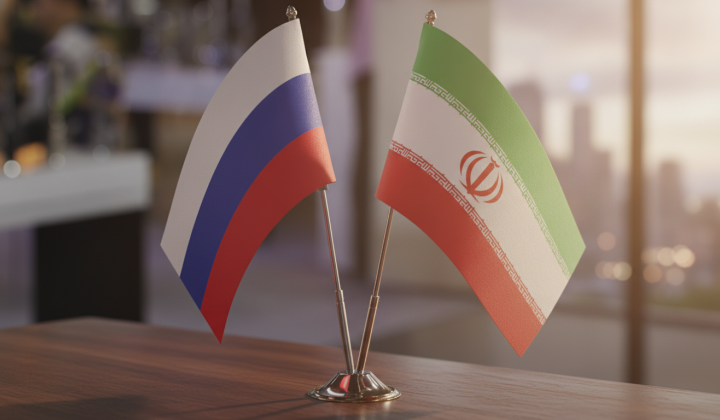
Assessing the Russia-Iran Partnership
According to ХВИЛЯ: The Center for Strategic and International Studies (CSIS), a leading Washington D.C. think tank, has released an analysis challenging recent claims about a Russia-Iran cyber alliance. Researchers Nikita Shah and Justin Sherman argue that reports of such an alliance have outpaced the available evidence. They acknowledge a history of cooperation that includes several key agreements and technology exchanges, but stress that dramatic assertions about joint operational actions-potentially taking place in 2026-are based on unverified information from Ukrainian intelligence. For instance, Russia has shared intelligence with Iran that helped target U.S. forces in the Middle East and supplied drone technology giving Tehran an asymmetric advantage. A timeline of bilateral cooperation includes:
- 2001: Framework cooperation agreement
- 2021: Cyber and information security agreement
- 2022–2023: Supply of surveillance and censorship software
- 2025: Comprehensive strategic partnership treaty
The most dramatic allegations-about joint cyber operations tied to a potential U.S.-Iran conflict in 2026-come from an unconfirmed Ukrainian intelligence assessment. That assessment cites contacts between Russian cyber groups such as Z-Pentest Alliance, NoName057(16), and DDoSia Project, and the Iranian group Handala Hack via Telegram. It also mentions reported attacks on Israeli energy facilities and the use of a hosting provider based in Chelyabinsk by Iranian actors. CSIS analysts note that the Russian group Turla previously hijacked Iranian cyberespionage infrastructure to run its own false-flag operations. They describe the Russia-Iran relationship as a “partnership of strategic convenience” marked by mutual suspicion, ideological differences, and competition.
“Claims that Russia supplied cyber support to Iran and that pro-Russian actors formed a coalition with Iranian hackers have only a thin evidentiary basis,” write Shah and Sherman.
Furthermore, the researchers emphasize that each Russian cyber actor is distinct, with its own motives and capabilities that threaten Western security.
“These cyber actors are neither a monolith nor a uniform threat,” they note. They also warn that overinterpreting Russia and Iran’s activities does not produce security-useful outcomes, adding: “Russia and Iran are uneasy strategic partners. There are real risks in sharing your best technical capabilities with a partner you do not fully trust.”
Challenges in Assessing Russia-Iran Cyber Cooperation
This CSIS evaluation underscores the complexity of Russia-Iran ties in the global cybersecurity landscape. A cautious approach to interpreting information about possible cyber collaboration is critical for formulating appropriate responses to potential threats. Despite their strategic partnership, both countries have distinct interests and limitations that could hinder their ability to act jointly in cyberspace.
While the CSIS analysis casts doubt on the purported cyber alliance between Russia and Iran, the broader implications of Russian cyber activities are still evident. Recent developments, such as cyberattacks linked to Russia's FSB, have prompted international responses, including France summoning a Russian diplomat. This highlights the ongoing concerns surrounding state-sponsored cyber threats and their geopolitical ramifications.

Read also