Human-Made Noise Disrupts Behavior and Development in 80% of Animal Species

The Effects of Human Noise Pollution on Wildlife
According to НВ — Техно: A recent study published in the journal Science reveals that artificial noise from human activities adversely affects 80% of the animal species examined. Researchers Hansjörg P. Kunz and Ruven Schmidt from Queen's University Belfast analyzed 214 experimental studies covering 177 different animal species. Their findings show that noise pollution alters animals' physiology, behavior, growth, reproduction, and predator-prey interactions.
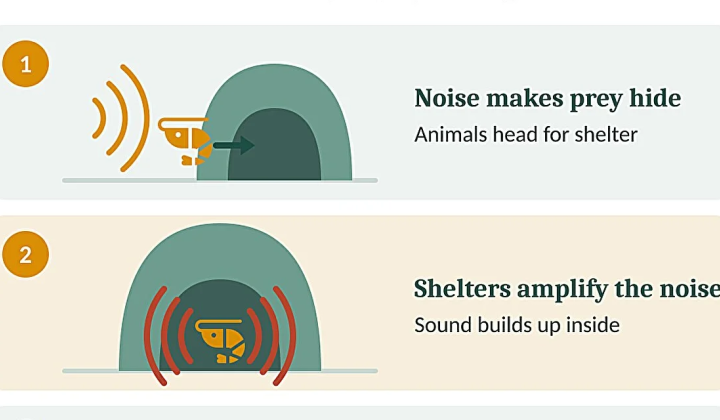
The data indicate that noise exposure increases cellular and hormonal stress in animals, potentially disrupting their physical development. Additionally, predators may struggle to hunt effectively due to acoustic interference, while some prey species gain an advantage as noise forces them out of their shelters.
“An acoustic trap: noise drives prey to seek refuge, but these shelters can amplify the sound, pushing prey into open areas where predators lie in wait.” – Hansjörg P. Kunz
Recommendations for Protecting Ecosystems
To mitigate the harmful effects of noise pollution on wildlife, the researchers advocate for establishing designated low-noise zones and acoustic refuges. These measures aim to help animals regain their natural behavioral patterns and promote ecosystem recovery.
This research underscores the critical need to understand how human activities impact natural habitats. The results provide a foundation for developing new conservation strategies to preserve biodiversity and improve animal welfare. Creating quiet zones could significantly reduce stress in wildlife and support their adaptation to an increasingly noisy world. As noise pollution grows, such initiatives offer promising benefits for enhancing ecological resilience in affected regions.
In addition to its impact on wildlife, noise pollution poses significant health risks to humans. A recent study highlights that exposure to traffic noise exceeding 50 decibels is linked to an increased risk of heart disease by 8-10%. Understanding these connections is crucial for developing effective strategies to address both environmental and public health challenges. For more insights on this pressing issue, see the full report on traffic noise and health risks.

Read also