Revised Timelines Reveal Generational Shift from Moa Hunting to Fishing in Early Māori Settlements of New Zealand

Uncovering the Mystery of Coastal Dunes
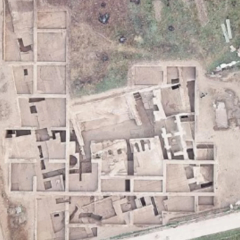
According to НВ — Техно: New research from archaeologists at the University of Waikato is reshaping our understanding of early Māori habitation in New Zealand. Led by Fiona Petchey, the study refined the dating of two ancient Māori sites-Sheg River Mout (Waigemo) and Kokohuia-demonstrating that the transition from hunting flightless moa birds to a fishing-based diet unfolded gradually over multiple generations. These findings, published in the Journal of Pacific Archaeology, offer important updates to the established chronology of these settlements.
Insights into Early Māori Communities
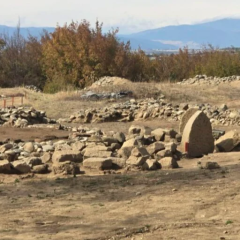
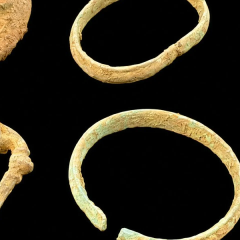
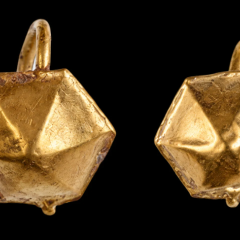
Located on the east coast of New Zealand’s South Island, the Sheg River Mout settlement was previously thought to have existed for only 20 to 50 years during the 14th century. However, the new evidence extends its occupation period to between 70 and 110 years, reaching into the early 15th century. Layers dated from 1320 to 1410 reveal signs of processing seal and moa carcasses, while deposits from 1400 to 1440 indicate a dietary expansion including fish, dogs, open-landscape birds, shellfish, and the presence of a large oven. This gradual decline in moa hunting alongside diversification of food sources reflects an evolving subsistence strategy. Artifacts linked to early East Polynesian culture and transitional phases were also uncovered at the site.
On the North Island’s southern Hokianga Harbour shore, the Kokohuia settlement’s timeline spans from 1410–1440 to 1590–1630, though occupation was not continuous. Charred seeds found in lower layers mark early habitation, while later layers contain concentrated fish bones and shell remains formed over a period likely under 90 years. Notably, no new excavations were undertaken; instead, the study reanalyzed decades-old samples preserved in university collections using radiocarbon dating enhanced by Bayesian modeling techniques.
The Māori historical framework is traditionally divided into three phases:
- Early East Polynesian colonization (1250–1400)
- Transitional period (1400–1600)
- Classical period
Changes in the Waigemo community’s lifestyle had already begun by 1450, and some previously assumed sharp boundaries between periods may result from dating inaccuracies. Thus, this research not only clarifies settlement chronologies but also enriches the broader understanding of how Māori lifeways adapted over time in New Zealand.
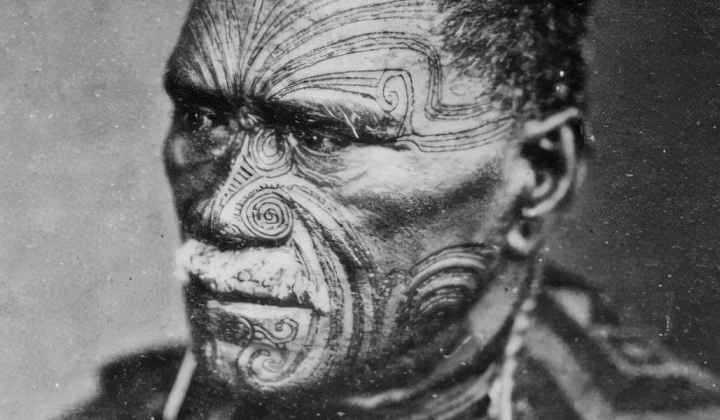
These discoveries hold significance beyond archaeology, offering deeper insight into Māori cultural heritage by illustrating how environmental and social shifts influenced their subsistence and settlement patterns. The study also highlights the critical value of preserving archaeological materials, which continue to illuminate the complex histories of indigenous peoples.

Read also