Bronze-Age Hoard Found by Archaeologists Amid Czech Railway Overhaul

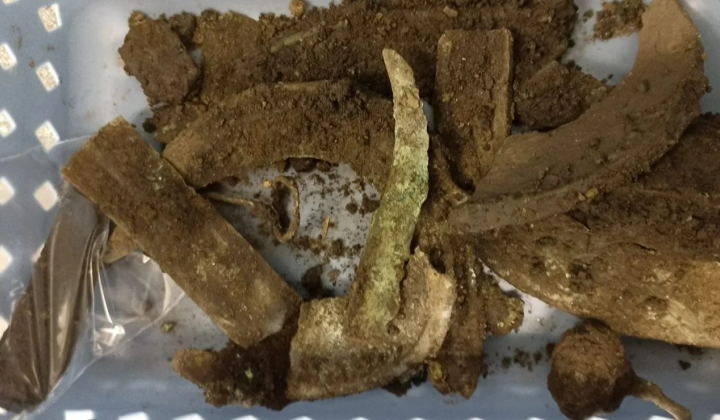
Bronze Hoard Uncovered in Czechia
According to НВ — Техно: While work was underway on the Brno–Přerov railway line near Kojetín, archaeologists uncovered a cache of Bronze Age artifacts. The assemblage is attributed to the late Bronze Age Urnfield culture. Since the deposit sits in terrain that once consisted of wetlands, investigators believe it may have been a ritual offering. The discovery adds to a growing list of hoards found during Central European infrastructure projects, providing new windows into Bronze Age belief systems and daily life.
Specialists from the Olomouc Archaeological Centre identified the collection. It contains:
- eight bent sickles,
- one complete sickle,
- a segment of a bronze sword blade,
- ornament fragments,
- three bronze ingots,
- two raw metal pieces.
Use-wear analysis shows that most of these items were heavily used before being buried. Traces of intentional breakage are also present: the sword fragment appears to have been snapped by a single powerful blow, probably made by an axe or chisel, while the sickles were bent or warped.
Further Study and Related Finds
Archaeological oversight of the railway project started in September 2025 and is planned to run until 2029. For now, the hoard is undergoing conservation, documentation, and additional scientific testing. An archaeologist on the project noted that the team knew they were crossing a substantial prehistoric settlement, so they relied on metal-detector surveys alongside routine monitoring; this approach eventually located the bronze cache.
The find follows a separate announcement from 2024, when researchers at the Podřipské Museum reported a Bronze Age hoard in the Ústí nad Labem Region of Czechia. That collection comprised nineteen bronze objects:
- eight bracelets,
- eight axe heads,
- two long pins with spherical heads,
- a spearhead.
One of those axes is particularly significant, as it dates to the early Bronze Age, about 3,500 years ago.
Archaeologist Michael Kamarad remarked that the artifacts displayed evidence of everyday wear as well as deliberate damage. In his view, these modifications were not caused by normal work activities but rather by how the objects had been stored. Such details reveal a complex biography of use and curation, and they give researchers valuable clues about the lives and traditions of past populations.
The newly revealed Czech hoard substantially deepens knowledge of ancient social and ritual behavior. Viewed alongside other discoveries, including the Ústí nad Labem cache, it highlights both the region's rich archaeological heritage and the benefits of integrating archaeological research into modern infrastructure projects. Closer investigation of these objects may expose fresh details about daily routines, ceremonial customs, and the craftsmanship of the region's prehistoric inhabitants.
This recent discovery adds to a fascinating trend of significant archaeological finds during infrastructure projects in Europe. For instance, a remarkable Roman treasure was unearthed near London, dating back nearly 2,000 years, highlighting how modern development often uncovers invaluable glimpses into our past.

Read also