Azerbaijan's President Aliyev Accuses UEFA of Bias Following Karabakh's Victory

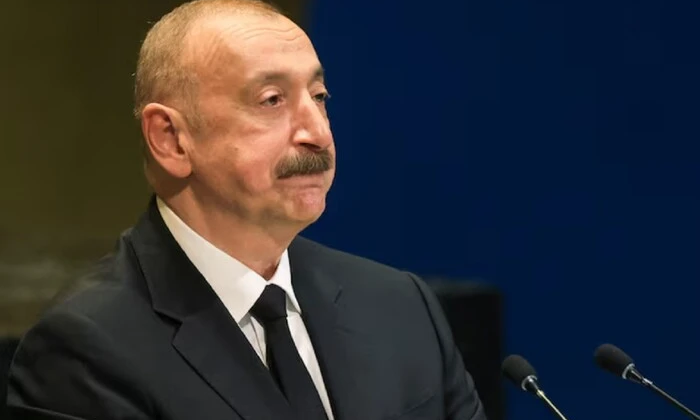
Azerbaijani President Levels Accusations at UEFA
According to Главком: Following a 3:2 victory for the Azerbaijani club Karabakh over Germany's Eintracht in a Champions League match held in Baku on January 21, 2026, President Ilham Aliyev has publicly accused UEFA of unfair treatment. Aliyev criticized what he described as biased officiating, suggesting this was not the first instance of the European football body attempting to obstruct the club's path to success. The match was officiated by a Swiss refereeing team, whose decisions Aliyev claimed were unjust and negatively impacted the game.
This win earned Karabakh 10 points, placing them 17th in the Champions League standings. President Aliyev warmly congratulated the team on their achievement, asserting that justice had ultimately prevailed. The club's name and location are politically sensitive, stemming from the Nagorno-Karabakh region, a long-disputed territory between Azerbaijan and Armenia.
Ukraine's National Team Advances in World Cup Qualifiers
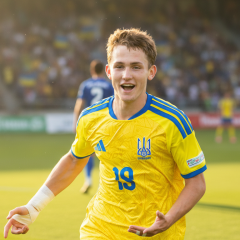
In a separate football development, the Ukrainian national team secured a 2:0 victory against Iceland in their 2026 World Cup qualifying campaign. The goals were scored by Zubkov in the 83rd minute and Hutsuliak in the 93rd. The team now prepares for a playoff semi-final against Sweden on March 26, 2026. Should they advance, Ukraine will face the winner of the Poland versus Albania match in the final qualifying round.
These events underscore football's significant role in the political and social narratives of both nations. President Aliyev's accusations against UEFA appear to be an effort to defend national interests and highlight local sporting achievements. Meanwhile, Ukraine's success in the qualifiers demonstrates the team's growing resilience and potential, serving as a point of national pride and unity during challenging times. Consequently, these footballing outcomes not only shape the teams' profiles but also reflect broader regional social and political dynamics.

Read also