How Boeing Slashed Wi-Fi Testing Time Using 9 Tons of Potatoes

Boeing's Innovative Potato-Based Wi-Fi Experiment
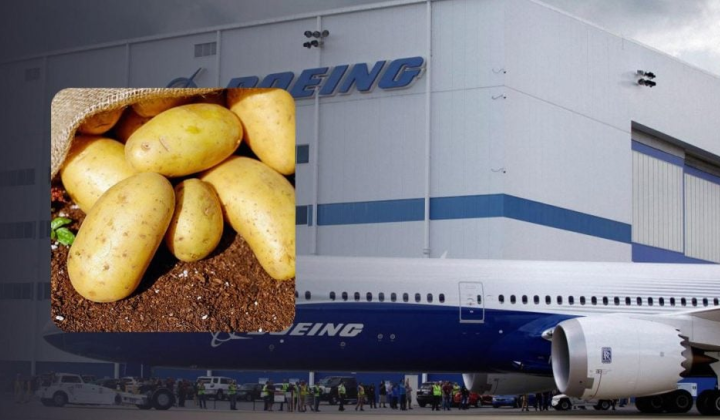
According to УНІАН — Туризм: Back in 2012, Boeing revolutionized the way Wi-Fi signal testing was conducted inside aircraft, dramatically reducing the process from 14 days to just 10 hours. The secret? Using 9 tons of potatoes as stand-ins for human passengers. This approach, named SPUDS (Synthetic Personnel Using Dielectric Substitution), leveraged the fact that potatoes, composed of roughly 80% water, mimic the way human bodies absorb and reflect electromagnetic waves.
Testing Wi-Fi with actual people would have required numerous volunteers to remain still for nearly two weeks, complicating logistics and increasing costs due to compensation. By substituting humans with potatoes strategically placed in bags on airplane seats, Boeing engineers effectively simulated human interference with radio waves without those challenges.
Testing Procedures and Outcomes
During the trials, the potatoes were positioned throughout the cabin, allowing engineers to adjust repeater configurations in real time to achieve consistent Wi-Fi coverage. Subsequent validation with human volunteers confirmed the accuracy of the potato-based testing method.
On a related note, on October 2, the Stratolaunch company’s Roc carrier aircraft completed two flights in a single day, highlighting ongoing advancements in aerospace technology. These milestones reflect the industry's drive toward innovative testing and development practices.
Boeing’s use of potatoes to emulate passengers during Wi-Fi testing stands as a remarkable example of creative engineering and resourcefulness.
Meanwhile, the success of the Roc’s test flights signals rapid progress in aviation technology, promising improvements in both passenger and cargo air transport in the years ahead.

Read also