Bulgaria Ends Funding for Lethal Weapons to Ukraine, Shifts Focus to Non-Lethal Aid

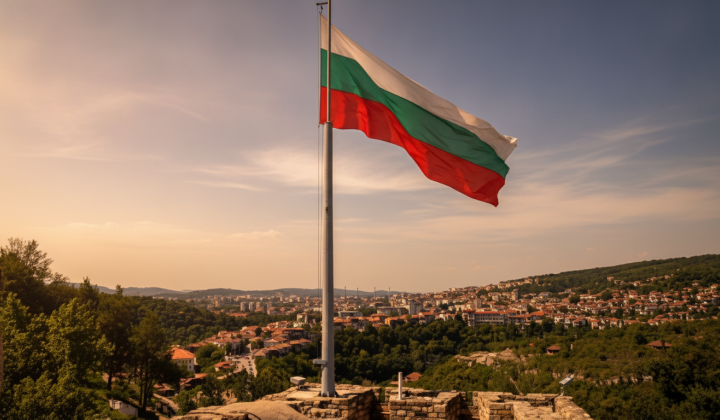
Bulgaria Halts Financial Support for Ukraine's Lethal Arms
According to Рубрика — Політика: On October 21, 2026, the Bulgarian government, led by Prime Minister Rumen Radev, announced it would no longer finance lethal weapons for Ukraine through the European Peace Facility (EPF), opting to provide only non-lethal assistance. The decision reflects Bulgaria’s strategic priorities, including preventing military conflict near its borders and upholding Ukraine’s sovereignty and territorial integrity. Additionally, Bulgaria has withdrawn from the Coalition of the Willing, which supports Ukraine militarily.
Commitment to Non-Military Aid and Diplomatic Solutions
According to official statements, Bulgaria intends to concentrate solely on non-military support, sending a clear message to the international community:
"Bulgaria stands behind Ukraine’s sovereignty and territorial integrity but rejects an endless cycle of armed conflict, seeking instead to promote diplomatic negotiations."
In 2026, Bulgaria contributed over €9 million to the EPF and had previously provided more than €6 million to Ukraine via this fund earlier that year, based on a government decision made in February by Rosen Zhelyazkov.
Established in 2021, the European Peace Facility manages a total budget exceeding €17 billion. Notably, Bulgaria has not allocated a specific share of its contributions toward purchasing weapons for Ukraine. In September 2026, the European Union approved over €6 billion for arms procurement to support Ukraine. Bulgaria also received over €3 million in reimbursements through the EPF after transferring military equipment.
On July 8, 2026, Prime Minister Rumen Radev stated that Bulgaria’s military aid stocks had been depleted. Defense Minister Dimitar Stoyanov confirmed the halt of arms deliveries to Ukraine but noted Bulgaria’s willingness to maintain and repair Ukrainian military hardware and equipment.
This policy shift may indicate a new direction in Bulgaria’s foreign policy regarding its support for Ukraine. The decision to stop lethal weapons aid and concentrate on non-lethal assistance could stem from domestic considerations or a desire to avoid escalating tensions near its borders. It may also affect Bulgaria’s relations with other nations actively backing Ukraine and influence the broader international support landscape for the conflict.
As Bulgaria shifts its focus to non-lethal assistance, the broader context of military support for Ukraine remains significant. The European Union continues to bolster Ukraine's defense capabilities, recently allocating substantial funds for arms and urgent frontline needs. For more details on this ongoing support, visit the full article on the EU's commitment to equipping Ukraine's defense forces here.

Read also