U.S. State Department Denies Trump-Linked Resignation of Top Diplomat in Ukraine

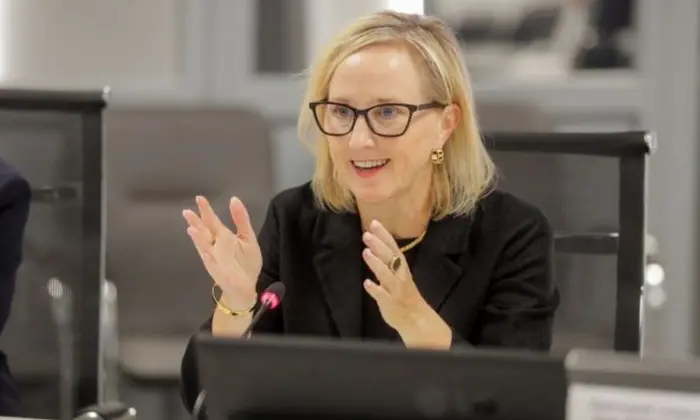
Julie Davis’s Departure: Official Reasons vs. Political Tensions
According to Главком: Tommy Pigott, a spokesperson for the U.S. State Department, has dismissed reports that Julie Davis, the chargé d’affaires ad interim at the U.S. Embassy in Kyiv, was stepping down due to disagreements with President Donald Trump. According to the official statement, Davis is retiring after a 30-year diplomatic career and intends to leave Ukraine in June 2026. This clarification comes amid heightened scrutiny of U.S. diplomatic moves in the region.
The Financial Times had previously suggested that Davis might resign over policy differences with the Trump administration’s stance on support for Ukraine. However, Pigott insisted that Davis remains committed to advancing President Trump’s policies until her formal retirement. He emphasized that she has consistently backed the administration’s efforts to broker peace between Russia and Ukraine.
Political Rifts Within the U.S. Diplomatic Corps
Separately, former U.S. Ambassador to Ukraine Bridget Brink confirmed that she left her post due to escalating political conflicts with the Trump administration. Brink openly criticized the president’s foreign policy regarding Ukraine, which led to her dismissal. While reports of Julie Davis’s resignation spread widely, her official motivation is retirement rather than political discord.
The situation surrounding Julie Davis and her departure highlights the complexities of U.S.-Ukraine diplomatic relations, especially against the backdrop of shifting Trump administration policies. Bridget Brink’s exit, fueled by political disagreements, suggests internal divisions within the American diplomatic corps over how best to support Ukraine. These dynamics could shape future cooperation between the two nations, particularly amid ongoing regional security challenges.
The shifting dynamics within U.S. diplomatic circles, particularly regarding Ukraine, are further underscored by recent developments in Washington. As the White House contemplates significant personnel changes, the implications for foreign policy and international relations remain a topic of intense scrutiny. This potential reshuffle could impact how the U.S. approaches its commitments abroad, especially in light of the ongoing tensions in Eastern Europe.

Read also