Ancient Egyptian Cats Lived in Harsh Conditions and Suffered Injuries, Skull Study Reveals

The Hidden Reality Behind Ancient Rituals
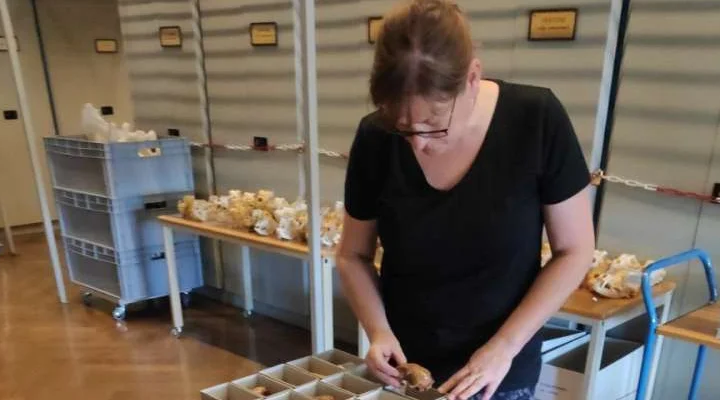
According to НВ — Техно: Recent research has shed light on the actual living conditions of cats in Ancient Egypt. Examination of cat skulls, sacrificed to deities over two millennia ago, reveals these animals endured significant illnesses and injuries under difficult circumstances. A detailed analysis of 131 skulls from the Beni Hasan necropolis-dating between 380 and 40 BCE-showed that most of the cats were domesticated, while some belonged to wild species.
Insights from Cat Skull Analysis
This investigation, published in the Journal of Archaeological Science, involved cat skulls from the Vienna Museum of Natural History. Findings indicate that more than half of the cats exhibited serious diseases and trauma. Numerous skulls showed tooth loss, gum inflammation, bone infections, and bite marks. These injuries suggest frequent fights caused by overcrowded living conditions, which also facilitated the spread of infections.
Some skulls bore mechanical damage likely caused by blunt force or sharp implements. While certain wounds were fatal, others showed signs of healing, implying some cats survived initial injuries. The capture and killing process for these cats was often chaotic, with some animals managing to escape despite being wounded. Chemical analysis further confirmed domesticated cats lived alongside humans, whereas wild cats were caught at a young age.
These findings provide a deeper understanding of daily life in Ancient Egypt and reveal the challenging and often brutal treatment of cats. The study challenges previous assumptions about ritual practices and the ethical standards of the society regarding animal welfare. Understanding the suffering endured by these cats offers a new perspective on their role in ancient Egyptian culture and religious customs, highlighting contradictions in a civilization that revered felines yet subjected them to hardship.

Read also