Over 9 Million Lives Could Be Saved Annually in Low- and Middle-Income Countries by Meeting WHO Air Quality Standards

Health and Economic Benefits of Cleaner Air
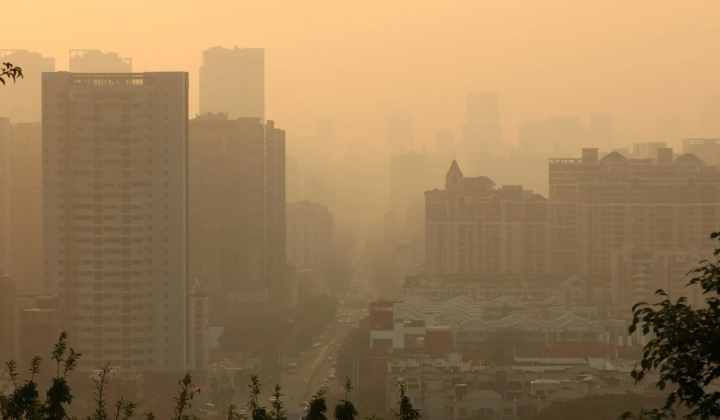
According to НВ — Техно: Following the World Health Organization’s (WHO) air quality guidelines-specifically for fine particulate matter (PM2.5) and nitrogen dioxide (NO2)-could prevent millions of premature deaths and illnesses each year in low- and middle-income countries. A comprehensive study led by researchers from the University of Cambridge analyzed data from 136 countries, revealing that improving air quality not only saves lives but also generates substantial economic advantages. Achieving these targets will require major reforms in transportation, urban planning, and energy sectors.
The research indicates that adhering to WHO standards for PM2.5 could avoid or delay approximately 9.4 million deaths annually. Meeting NO2 guidelines could prevent around 1.1 million deaths each year. Even attaining intermediate targets would still reduce mortality by 6.6 million for PM2.5 and 435,000 for NO2. In total, more than 9 million premature deaths per year in low- and middle-income countries could be averted by aligning with WHO air quality recommendations.
Key Air Pollutants Identified
Scientists pinpointed the primary contributors to poor air quality as:
- Fine particulate matter (PM2.5), generated mainly from vehicle emissions, power plants, industrial activities, and wood burning;
- Nitrogen dioxide (NO2), released during the combustion of fossil fuels.
Cleaner air has the potential to prevent annually 7.3 million cases of ischemic heart disease, 2.3 million strokes, 2.8 million instances of chronic obstructive pulmonary disease, and 1.1 million cases of dementia.
Reducing air pollution-related illnesses also carries significant economic benefits. For example, cutting costs associated with ischemic heart disease treatment could save $11.8 billion each year, stroke care expenses could be reduced by $5.9 billion, and dementia treatment costs could drop by $8.6 billion. These findings are particularly critical for rapidly urbanizing and developing nations. The study was published in the journal Environment International.
The research highlights the essential role of air quality improvement in boosting public health and easing the financial strain on healthcare systems, especially in developing countries.
Given the accelerating pace of urbanization and industrial growth worldwide, implementing WHO air quality guidelines is a vital strategy for promoting sustainable development and enhancing the wellbeing of millions. Policymakers and governments must incorporate these insights when designing environmental and health policies.

Read also