Scientists Urge a Moratorium on Creating Mirror-Image Bacteria Amid Safety Concerns

Science at the Forefront
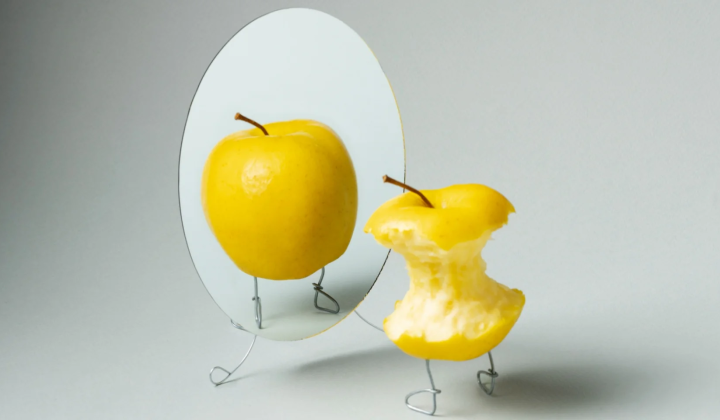
According to НВ — Техно: Research into mirror-image life is raising critical questions about the feasibility of engineering organisms made up of molecules that are exact chiral reflections of the biological molecules found in nature. While scientists acknowledge the promising medical applications of these mirror molecules, they also warn of significant ecological and biological dangers associated with developing fully functional mirror bacteria. Consequently, experts are calling for a temporary halt on funding and experimental work in this field until safety can be assured.
Human cellular proteins are composed of "left-handed" amino acids, whereas the sugars in DNA and RNA exhibit a "right-handed" orientation. In contrast, a mirror-image bacterium would incorporate "right-handed" amino acids in its proteins and "left-handed" sugars in its genetic material. A 2022 study published in Nature Biotechnology demonstrated the creation of mirror DNA aptamers resistant to enzymes that degrade normal DNA, highlighting the potential of mirror molecules in therapeutic development.
However, in December 2024, a group of 38 researchers from nine countries released a comprehensive 300-page technical report expressing serious concerns about mirror life. They emphasized that molecules with mirror configurations could disrupt immune system functions across humans, animals, and plants. Mirror bacteria might evade detection by immune defenses, posing the risk of severe infections. By March 2026, the United Nations Secretary-General’s Scientific Advisory Board confirmed that no complete mirror organism exists yet and predicted that creating one would require at least another decade.
Preventing Potential Threats
Scientists advocate for suspending all efforts to produce mirror bacteria and halting associated funding. They recommend strict oversight on the synthesis of complete mirror genomes and protein sets, along with regulation of the procurement of relevant molecular components. Germany’s Central Commission on Biological Safety supports the use of mirror molecules in medicine, particularly for developing enzyme-resistant peptide drugs.
Experts stress caution because the mirror structure of these molecules could undermine natural controls exerted by bacteriophages and microscopic predators in the environment. In October 2026, The Economist called on regulators to take preventive measures before mirror life emerges, emphasizing the urgent need to mitigate possible risks. As Kate Adamala stated:
"We must refrain from creating mirror life."
John Glass added:
"It is crucial to prevent these risks before they become reality."
The study of mirror-image life underscores the necessity of responsible innovation in science, especially when potential health and ecological hazards are involved. Given the possible dangers posed by mirror bacteria, the call to pause research until their safety is fully understood is vital. This issue demands attention not only from the scientific community but also from global regulatory authorities.

Read also