A former US envoy warns Putin’s promises echo the 1938 Munich Agreement

The shadow of Munich 1938
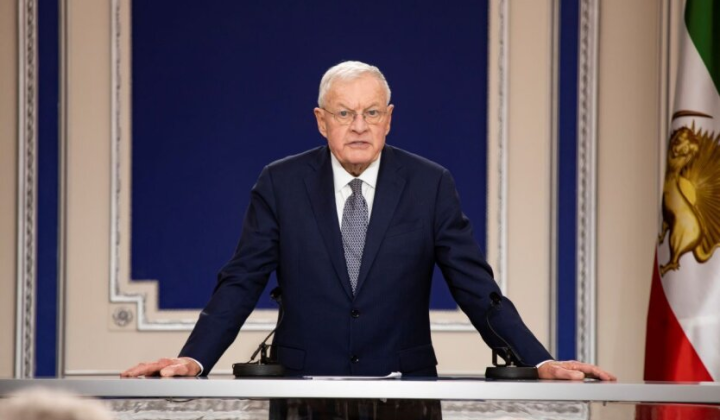
According to ХВИЛЯ: Keith Kellogg, who served as the United States’ envoy for Ukraine, has drawn a parallel between trusting Russian President Vladimir Putin’s assurances and one of the most cautionary diplomatic episodes of the 20th century. In an interview with Natalia Moseichuk, Kellogg recalled that Hitler originally demanded only the Sudetenland from Czechoslovakia; he cautioned that the world could repeat that costly mistake by assuming Putin will stop after getting what he wants.
'I don’t believe Putin and I don’t believe he will stop - he will try to push further,' Kellogg said.
The situation in Donbas
Against this backdrop, Moscow has insisted that Ukrainian forces withdraw from the entire Donbas region. Kremlin spokesman Dmitry Peskov described that demand as a 'very important condition' before a meeting in Abu Dhabi. Over the summer, sources indicated that Putin had hardened his stance and was not planning to return to negotiations until the Donetsk area was fully under his control. Kellogg suggested that after Donbas, Odesa and Zaporizhzhia could be next.
Kellogg’s warning highlights how grave the Russian threat remains for Ukraine and for international security. The Munich analogy is a reminder of what can happen when aggressive intentions are underestimated. Moscow’s demand to pull Ukrainian troops out of Donbas signals that the situation could get worse unless the world takes firm action to deter Russian aggression. It also raises serious doubts about the path to peace, since the Kremlin’s political intentions remain anything but predictable.

Read also