EU Plans New Sanctions Targeting Russian and Belarusian Athletes, Restricting Competition Participation

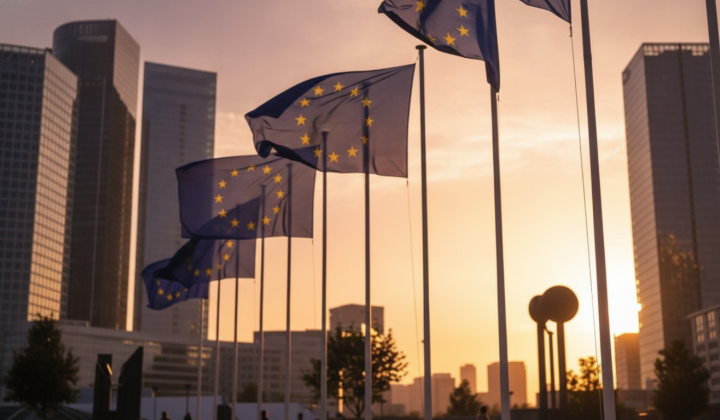
EU Prepares Restrictions on Russian and Belarusian Athletes
According to Рубрика — Суспільство: The European Union is set to introduce fresh sanctions aimed at Russian and likely Belarusian athletes, potentially barring them from competing in EU-hosted events or representing their countries under national flags. These measures will be part of the upcoming 22nd sanctions package, expected to be unveiled in the coming days. EU ministers have already shown strong support for tightening visa rules and excluding Russian nationals from sporting events across Europe.
Proposed Measures Under Consideration
The EU is weighing two main options for these new restrictions:
- A total ban on entry into the EU and participation in competitions,
- A prohibition on competing under their national flags.
All 27 EU member states will be required to enforce these sanctions regardless of the International Olympic Committee's (IOC) recommendations. European Commission President Ursula von der Leyen announced that the 22nd sanctions package would be discussed at the European Council meeting scheduled for November 26–27.
Non-EU countries like the United Kingdom, Norway, and Switzerland are independently determining their policies on the admission of Russian and Belarusian athletes. On November 13, Norway tightened visa regulations, blocking entry for professional athletes and their supporting staff from Russia and Belarus. Similar restrictions have been adopted by Estonia and Finland. Meanwhile, Sweden is currently reviewing legal grounds to deny visas to Russian and Belarusian athletes for international competitions on its soil. Notably, the 2027 FIS Nordic World Ski Championships are set to take place in Falun, Sweden, from February to March.
In July 2026, the IOC reinstated the Russian Olympic Committee's profile on its official website for the first time since 2023. The Russian Olympic Committee's IOC membership was suspended in 2023, and the IOC's Executive Board withdrew prior recommendations concerning Russian athletes and teams. The IOC has also confirmed it will not host events in Russia nor invite Russian government officials or representatives to its activities.
Estonia, along with eight other countries, has called on the EU to halt funding to the IOC following its easing of restrictions on Russia. At the same time, some international federations, such as the International Basketball Federation (FIBA), have lifted bans on Russian and Belarusian athletes and are considering allowing their national teams back into global competitions. The Court of Arbitration for Sport (CAS) has also ruled that the International Ice Hockey Federation (IIHF) must reinstate Russian teams for the 2026/27 season.
"Today, ministers firmly urged stronger visa policies and the exclusion of Russian athletes from sporting events held within the European Union. If Russia expects us to grow weary, it will be disappointed." – Kaja Kallas
These new EU restrictions form part of a broader international strategy to exert pressure on Russia. While the EU coordinates its approach to sports, other countries outside the bloc continue to set their own rules for Russian and Belarusian athletes' participation. This divergence could create inconsistencies within the global sporting community, where some organizations may welcome these athletes back while others maintain bans. The debate over the presence of Russian and Belarusian competitors in international sports is expected to remain a significant issue moving forward.
As the EU tightens its stance on Russian and Belarusian athletes, it's essential to consider the broader implications of these restrictions. For instance, the lifting of restrictions by WAE starting in 2027 has sparked significant backlash across Europe, highlighting the ongoing tensions between sporting organizations and geopolitical considerations. This evolving situation underscores the complexities surrounding international sports and diplomacy.

Read also