EU Rules Out New Energy Deals with Russia: Implications for Ukraine

EU's Stance on Energy Agreements with Russia
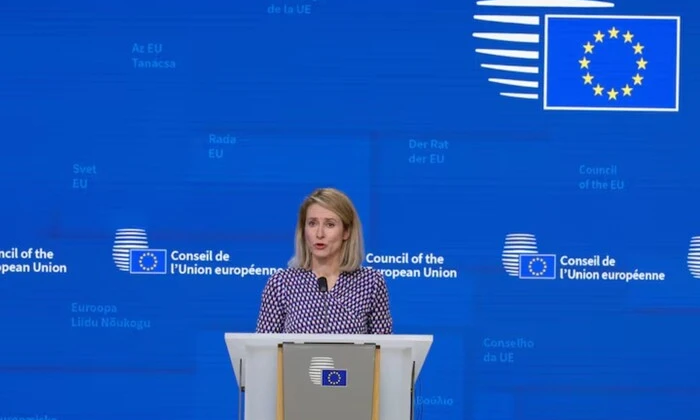
According to Главком: The European Union's High Representative for Foreign Affairs, Kaja Kallas, has stated that EU member states have no desire to forge new energy agreements with Russia or to restart negotiations. She emphasized that in any discussions with Russia, it is crucial to first establish the precise topics for dialogue.
'I was behind those closed doors and I do not see such a desire. And when we talk to Russia, of course, the most important thing is to first agree on what we want to talk to them about,' Kallas noted.
EU's Active Role in Peace Negotiations
The President of the European Council, António Costa, also underscored the vital importance of the EU's role in negotiations to end Russia's war against Ukraine. He pointed to the necessity for more active European Union involvement in these processes. Kaja Kallas added that a return to 'business as usual' could lead to further conflicts:
'Because if we just return to business as usual, we will have more of this, more wars. We have seen this before. Therefore, we must be very vigilant and not give Russia what it wants, because its appetite will only grow.'
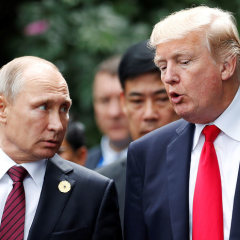
The European Union supports the diplomatic efforts led by U.S. President Donald Trump in the context of resolving the conflict and ensuring regional stability. This stance signals a significant shift in Europe's energy security strategy following Russia's invasion of Ukraine. Consequently, the EU's position remains clear: new deals with Russia are not a priority, while active participation in peace talks is essential for reaching a final resolution.
These statements from Kaja Kallas and António Costa reflect the European Union's overarching strategy of supporting Ukraine and preventing further aggression from Russia. The importance of a clear EU position in this context highlights an effort to avoid repeating past mistakes, where insufficient resolve led to the escalation of conflicts. The diplomatic efforts, as reported, demonstrate the EU's commitment to ensuring regional stability through constructive dialogue and cooperation with international partners.
The ongoing discussions regarding EU-Russia relations highlight a complex landscape, especially in light of recent statements from Belgian leadership. While Kaja Kallas and António Costa emphasize a firm stance against new agreements, Belgian Prime Minister's call for dialogue has sparked varied responses across the EU. This divergence in approach may influence future negotiations and strategies concerning regional stability.

Read also