Prometheus Rocket Engine Achieves Breakthrough with Successful Reusable Thrust Tests at 100 Tons

Prometheus Engine Testing Milestone
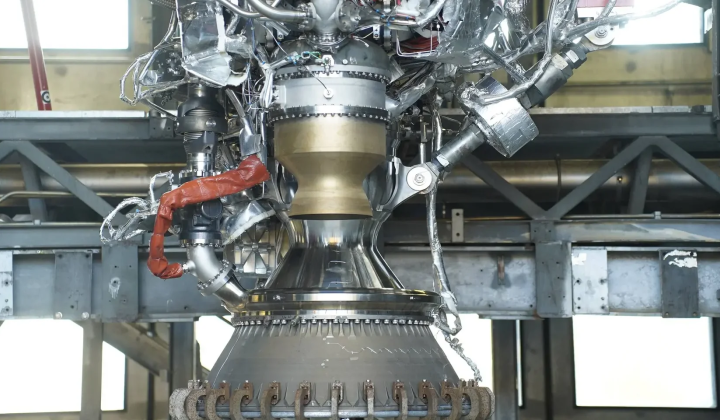
According to НВ — Техно: On November 10, 2023, the European Space Agency (ESA) together with ArianeGroup completed a successful series of firings of the reusable Prometheus rocket engine. These tests took place at the upgraded test stand of the German Aerospace Center in Lampoldshausen. Powered by a combination of liquid methane and liquid oxygen, the engine delivers a thrust of 100 tons. During the trials, the engine was ignited multiple times in a single day, consistently maintaining stable operating conditions.
A key breakthrough demonstrated was the engine's ability to initiate ignition independently, without relying on an external launch system. This capability marks a significant advance for European rocket technology. The engine’s multiple ignition functionality is crucial for enabling controlled landings and recoveries of rocket stages, supporting future reusable launch systems. Additionally, the combustion chamber was tested using a novel 3D printing technique known as cold gas spray. This method, which applies metal powder at supersonic speeds without melting it, reduces manufacturing costs and assembly time significantly.
Next Steps and Technological Advances
Development is already underway on an upgraded version, Prometheus Mark 2, with planned testing at ArianeGroup’s research center in France. Philippe Clar emphasized that reusability is becoming a vital factor for competitiveness in the space launch market. This innovation will provide Europe with sovereign capabilities for repeated flights, independent of global competitors.
This achievement highlights the growing importance of innovation in space technology, especially in driving down launch costs and boosting efficiency. Enhancements to the Prometheus engine, combined with advanced manufacturing technologies, are poised to strengthen the position of European aerospace firms on the international stage. As global interest in space missions continues to rise, such developments are likely to foster new projects and initiatives in the space exploration sector.
As Europe advances in rocket technology with the Prometheus engine, the aerospace sector is witnessing significant innovations across the board. For instance, NASA's introduction of the X-70 Fractal aircraft showcases a similar commitment to modernizing flight capabilities, featuring modular controls and an impressive payload capacity. These developments underscore the global push towards enhanced reusability and efficiency in aerospace missions.

Read also