Seven Months of Freediving Training Alters Brain Connectivity, Especially in the Hippocampus

Freediving Reshapes Brain Networks, Impacting the Hippocampus
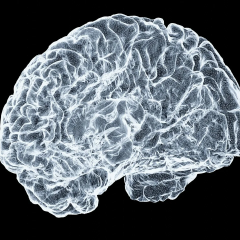
According to НВ — Техно: A study tracking 17 experienced freedivers over seven months of breath-hold training revealed notable changes in brain connectivity, particularly within the hippocampus, a region essential for memory. While earlier research found no decline in cognitive abilities among freedivers, these newly observed alterations suggest the brain undergoes adaptive neuroplastic changes in response to repeated low-oxygen conditions.
The participants were men aged 27 to 55, who engaged in structured breath-hold exercises for seven months. For comparison, a control group of 20 men of similar age performed about five hours of aerobic exercise weekly but did not practice freediving. Functional MRI scans were taken before and after the training period to assess brain activity and connectivity.
During the scans, subjects held their breath up to two minutes four times, interspersed with 90 seconds of normal breathing. Post-training results showed enhanced interaction among frontal-parietal, sensorimotor, visual networks, and the salience system in freedivers. Additionally, the functional link between both hippocampal hemispheres and the cerebellum strengthened after the training, while connectivity between the hippocampus and sensorimotor areas weakened, especially during normal breathing phases.
Brain’s Adaptive Neuroplasticity in Response to Hypoxia
Interestingly, freedivers exhibiting stronger connectivity between the left hippocampus and cerebellum demonstrated better ability to distinguish between similar memories and new information. Conversely, weaker connections between the right hippocampus and sensorimotor regions correlated with improved recognition of familiar combinations. Hypoxia-when tissues receive insufficient oxygen-is particularly harmful to the hippocampus.
Previous research from 2025 found no structural damage to the hippocampus or episodic memory impairments in freedivers. This new investigation was led by neuroscientist Julie Miko at the University of Paris-Saclay. It is important to note that the control group was scanned only once, which may affect comparative results.
The researchers propose these brain changes reflect adaptive neuroplasticity triggered by repeated hypoxia.
Further studies are needed to clarify the underlying mechanisms of this adaptation and explore whether controlled hypoxia could become a therapeutic strategy for conditions involving hippocampal vulnerability.
This research highlights the significant influence of physical activities like freediving on brain function and connectivity. The observed hippocampal network modifications illustrate the brain’s capacity to adjust to extreme environments such as oxygen deprivation, opening new avenues for neuroscience research and potential treatments. Understanding these adaptive processes could lead to innovative therapies for memory disorders and cognitive impairments.
As research continues to explore the brain's adaptability, recent findings on dopamine neuron decline in long COVID patients highlight significant neurological changes in response to different physiological challenges. Understanding these connections may provide further insights into how the brain responds to various stressors, including those faced by freedivers.

Read also