Brother and Sister Buried 1600 Years Apart and Miles Away in Spain Linked by Genetic Analysis

Ancient Siblings Connected Through DNA in Spain
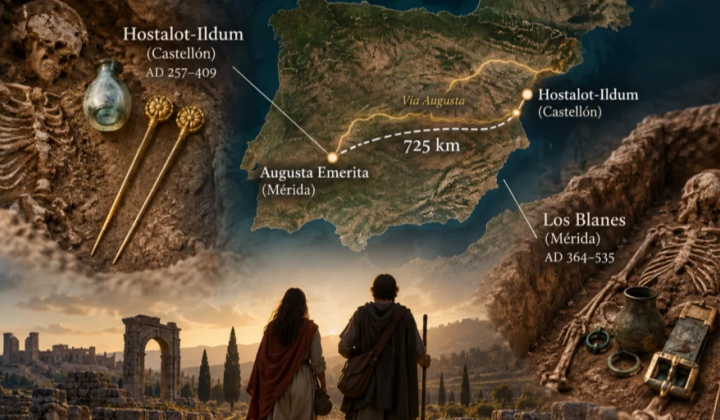
According to НВ — Техно: DNA testing has revealed a familial bond between a brother and sister buried hundreds of kilometers apart in Spain around 1600 years ago. The brother's remains date from 364 to 535 AD, while the sister's burial is dated between 257 and 409 AD. The woman was interred in Ostalot-Ildum near the Via Augusta in northeastern Spain, whereas her brother was laid to rest at the Los Blanes cemetery in Augusta Emerita, present-day Mérida. Genetic evidence traces their ancestry back to populations in Central and Northern Europe.
Insights from Archaeological Research
An international team of archaeologists, led by Pablo Carrión, analyzed genetic data from 243 ancient individuals found at 31 archaeological sites across the Iberian Peninsula. Among 66 individuals from the Roman era:
- 55 showed genetic links to the Eastern Mediterranean region;
- 33 out of 34 individuals from southeastern Roman settlements exhibited North African ancestry.
These findings highlight the greater genetic diversity of Roman-era Spain compared to pre-Roman populations.
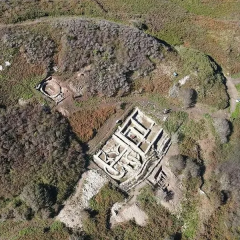
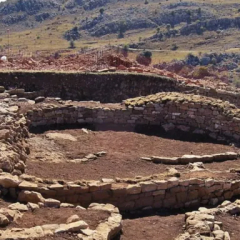
In addition to genetic studies, researchers from the University of León uncovered a Roman military camp near La Peña del Castro in the municipality of La Ercina. This site is linked to historical events such as the siege of the hillfort during the Cantabrian Wars. Covering about 1.7 hectares and located just 500 meters from an Iron Age fortress, excavations conducted in spring and summer 2026 revealed defensive structures, Roman military equipment, and signs of temporary occupation. These discoveries emphasize the region's strategic importance during Rome's military campaigns on the Iberian Peninsula.
Together, these investigations deepen our understanding of Spain's population history during the Roman period, revealing a complex web of migrations and genetic connections. The discovery of the military camp further underscores how archaeological evidence can illuminate the historical conflicts and cultural developments that shaped the peoples of the Iberian Peninsula.
These findings not only illuminate the genetic landscape of ancient Spain but also coincide with significant archaeological discoveries in the region. For instance, recent excavations have uncovered a Roman military camp associated with the Cantabrian Wars, further enriching our understanding of the historical context surrounding these ancient populations.

Read also