Italy’s Foreign Minister Antonio Tajani Faces Repeated Cyberattacks Amid Support for Ukraine; Meloni Raises Alarm Over Data Sales

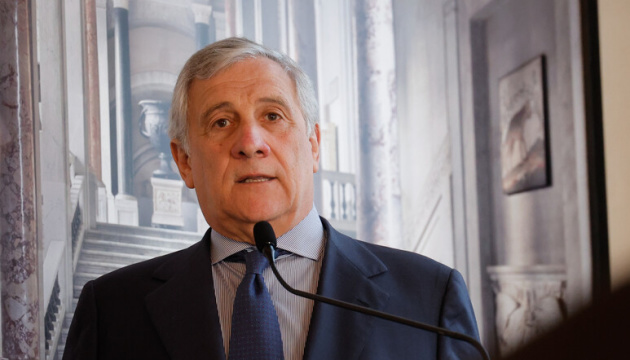
Antonio Tajani Targeted by Ongoing Cyber Assaults
According to Рубрика — Політика: Antonio Tajani, Italy’s Minister of Foreign Affairs, has revealed that he has been subjected to multiple cyberattacks, during which his personal information was leaked on the dark web. Tajani attributes these hostile acts to his outspoken political backing of Ukraine. Italian Prime Minister Giorgia Meloni has expressed serious concerns over the illicit trade of sensitive data belonging to government officials.
For several consecutive days, hackers have been publishing Tajani’s private details online through dark web channels, exposing him to persistent threats and intimidation. Tajani highlighted that his family has also been targeted, with attackers willing to pay for more information about his relatives. He firmly stated, “I will not be intimidated under any circumstances.”
Increasing Cybersecurity Risks for Government Officials
Tajani emphasized that his pro-Ukraine stance is the primary reason for being singled out by cybercriminal groups. He noted, “Defending the sovereignty of a free nation and taking a clear stand in support of democracy and national independence presents a real danger to these criminal networks.”
According to Reuters, Tajani is named among 18 individuals considered hostile to Russia, whose identities surfaced on a dark web list accessible via the Tor network. Italy’s Ministry of Foreign Affairs has been actively implementing cybersecurity measures for several months, while national cyber authorities continue monitoring the dark web to counter these threats.
This list of 18 Russia-opposed figures, including Tajani and cybersecurity experts, underscores the escalating danger faced by officials backing Ukraine.
This series of attacks highlights the growing cyber risks confronting politicians who support Ukraine and underscores the critical importance of cybersecurity in today’s geopolitical climate. The Italian government’s response demonstrates the serious challenges faced by nations defending Ukraine’s sovereignty amid external aggression. Moreover, such incidents may prompt other countries to reevaluate their strategies for protecting officials from cybercriminal activity.
The recent cyberattacks on Italy’s Foreign Minister Antonio Tajani reflect a broader trend of escalating online aggression against figures opposing Russia. In a similar vein, a recent analysis revealed that Yandex's data center strikes have significantly reduced online hostility from Russian forces toward Israel. This comparison underscores the growing challenges faced by international leaders in the digital landscape. For more details on this development, see how cyber operations are influencing geopolitical tensions.

Read also