Iran Strikes UAE with Hypersonic Missiles: Explosions Reported in Dubai and Abu Dhabi

Military Escalation in the Middle East
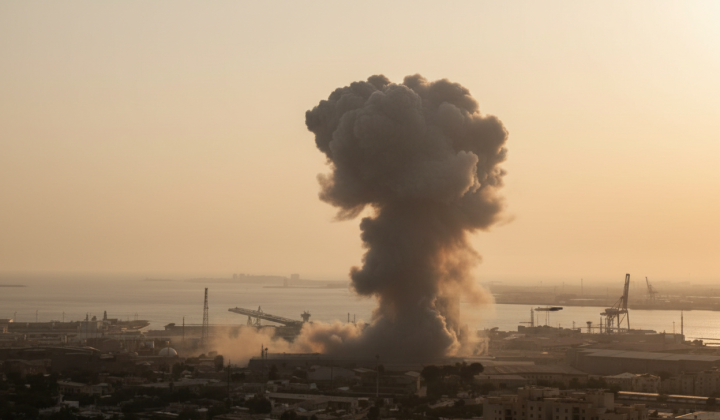
According to ХВИЛЯ: On February 28, 2026, a significant military escalation occurred in the Middle East between Iran and a coalition of the United States and Israel. In response to large-scale strikes on targets within Iran by the U.S.-Israeli coalition, Iran retaliated by firing its Fattah hypersonic missiles at the United Arab Emirates, Bahrain, Kuwait, and Iraq.
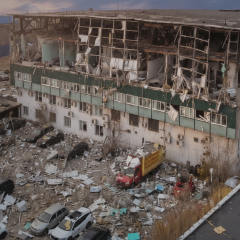
Explosions were reported in Dubai and Abu Dhabi. Notably, the five-star Fairmont The Palm hotel on Palm Island caught fire, leading to the death of at least one person, a Pakistani national, from falling debris. Missiles were reportedly intercepted over Riyadh, Doha, and Abu Dhabi. According to the UAE Ministry of Foreign Affairs,
"the country's air defense systems dealt with the missiles... the safety of citizens, residents, and guests remains the top priority."
This attack marks a dangerous expansion of regional hostilities into major global commercial and travel hubs.
International Community Response
Iran launched its Fattah hypersonic missiles, which it states have a range of approximately 1,400 km, targeting American military bases. Due to the heightened tensions, Emirates airline temporarily suspended flights. The United Kingdom and the United States issued warnings to their citizens in the region, specifically in the UAE, Bahrain, Kuwait, and Qatar.
The UAE Ministry of Foreign Affairs strongly condemned the Iranian attacks, labeling them a 'blatant violation of state sovereignty' and asserting the nation's 'full and legitimate right to take retaliatory measures.' Saudi Arabia's Crown Prince Mohammed bin Salman expressed the Kingdom's readiness to provide all possible support to UAE President Sheikh Mohamed bin Zayed.
It is important to note that Iran's Supreme Leader survived the initial strikes, as confirmed by a senior Iranian official. These events underscore the rising tensions in the region and have caused alarm within the international community. Information sources include Bloomberg, Reuters, Iran International, and IRIB.
The hostilities between Iran and the U.S.-Israeli coalition could have far-reaching consequences for Middle Eastern stability, a region already grappling with multiple conflicts. The reactions from other states, particularly Saudi Arabia and the UAE, point to a potential for further escalation, which could lead to new military actions or diplomatic efforts to de-escalate the conflict. This situation demands close attention from the international community, as subsequent developments could impact global security and economic stability.

Read also