Irina Friz Urges Maintaining Full Worker Reservation for Defense and Energy Sectors, Highlights Corruption Risks


Irina Friz's Perspective on Proposed Changes to the Worker Reservation System
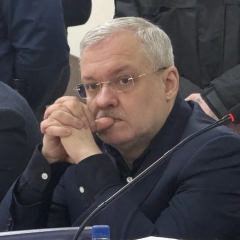
According to 5 канал: Irina Friz, a member of the Verkhovna Rada and the Committee on National Security, Defense, and Intelligence, has voiced strong opposition to altering the current worker reservation rules without conducting a thorough audit and impact assessment. She emphasized the necessity of preserving 100% reservation quotas for the defense industry and energy sector, warning that the establishment of a Coordination Center for reservation matters could foster corruption and exert undue pressure on businesses.
The government is expected to finalize revisions to the reservation system this week. The Ministry of Defense has expressed concerns over a proposal to reduce the reservation quota for defense industry employees from 100% to 85%. Defense enterprises currently account for approximately 10% of all reserved positions, and officials argue that decreasing their quota would not significantly affect mobilization efforts.
"Changing reservation rules without a detailed analysis and understanding of the consequences is unacceptable." - Irina Friz
Friz also stressed that if abuses exist within the reservation system, authorities must identify exactly where they occurred, understand the mechanisms involved, and hold those responsible accountable. She cautioned that undermining the reservation system could disrupt defense supply chains, cause a loss of skilled personnel, and reduce the production capacity of the defense sector.
Concerns and Recommendations on Revising Reservation Rules
Lawmakers have yet to receive comprehensive explanations regarding the purpose, functions, and authority of the proposed Coordination Center. Deputy Yaroslav Zheleznyak warned that creating an additional bureaucratic body may hinder businesses, complicating their ability to obtain critical enterprise status.
"Let us remember that those who manufacture weapons, repair military equipment, or provide the country with electricity are all essential contributors to our national defense." - Irina Friz
According to Friz, the government must provide Parliament with clear data on the scope of worker reservations, the military's requirements, and the potential economic impact of any changes. She called for a review of the October 13, 2026 decree to maintain full reservation for the defense and energy sectors and urged further expert consultations.
The possible ramifications of modifying reservation rules are significant. Friz warned of tangible consequences, including:
- Failure to fulfill defense contracts;
- Halts in military equipment maintenance;
- Loss of specialists in defense, energy, and utilities sectors.
In summary, the debate over reserving workers in the defense and energy industries remains highly sensitive. Any proposed adjustments demand detailed scrutiny and open discussion among experts to ensure national security is not compromised.
Against the backdrop of increasing national security challenges, safeguarding adequate reservation quotas and ensuring transparency in the reservation process are crucial for sustaining Ukraine's defense capabilities. Without meticulous evaluation, changes to these policies risk destabilizing both the defense industry and energy sector, with potential adverse effects on the country’s overall stability. Therefore, comprehensive deliberation and prudent decision-making by the government and Parliament are essential.
As the debate over the worker reservation system intensifies, lawmakers continue to express their concerns regarding potential changes that might jeopardize essential industries. For a deeper understanding of why retaining these regulations is crucial for national security, read more about the demands from legislators to halt modifications that threaten critical sectors.

Read also