From 1919 Lunchboxes to Today’s Gourmet Trends: The Evolution of In-Flight Dining

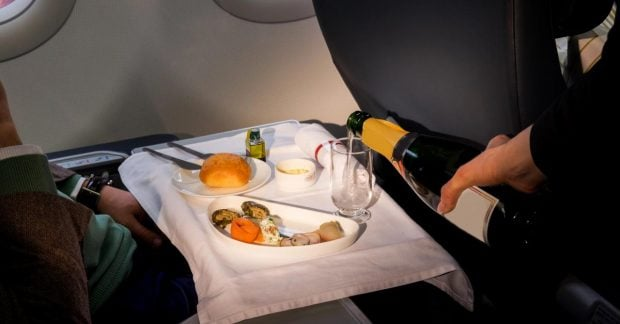
The Evolution of Airplane Catering Through the Decades
According to УНІАН — Туризм: The tradition of serving food on airplanes began in 1919 when British airline Handley Page Transport offered passengers lunchboxes containing sandwiches and fruit on flights between London and Paris. This marked the initial step in developing airline catering, which gradually transformed into more elaborate and refined meal services. By 1928, Lufthansa introduced hot meals, setting a new benchmark for inflight dining.
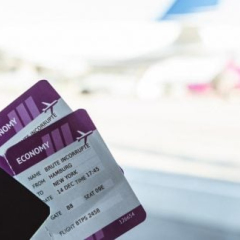
In 1948, Pan American World Airways launched its tourist class, raising expectations for onboard service quality. During the 1950s, five-course meals featuring lobster became standard fare on flights. A one-way ticket from the UK to Rome during the 1940s and 1950s cost around £3,000, equating to over $3,900 today, highlighting the exclusivity of air travel at that time.
Industry Shifts and Their Impact on In-Flight Food
The airline industry underwent major changes following the 1978 deregulation in the United States, which significantly affected onboard catering. The UK followed with the Civil Aviation Act in 1980 and the privatization of British Airways in 1987, prompting a focus on cost-cutting and competition that led to a decline in meal quality.
- In 2017, British Airways stopped offering free meals on short-haul economy flights, illustrating the trend of reduced complimentary services.
- Delta Air Lines announced in 2024 it would discontinue food and drink service on hundreds of flights, continuing this cost-saving approach.
- Similarly, Ryanair provides no complimentary beverages or snacks, reflecting the new realities of budget air travel.
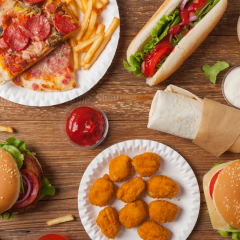
Despite a general downturn in economy-class catering, some airlines maintain a focus on gourmet offerings. For instance, SWISS serves gourmet hot dogs in first class, Japan Airlines presents a 13-course menu onboard, and Delta partners with Shake Shack for its inflight meals. Singapore Airlines recently introduced over 100 new and updated dishes, including Maine lobster with champagne sauce and baked chicken breast with peppercorn sauce.
However, quality control challenges remain. At the end of 2023, a Virgin Atlantic passenger criticized a vegan sandwich for mold, underscoring the importance of stringent food safety measures. Meanwhile, American Airlines enhanced customer experience by allowing AAdvantage loyalty members to automatically switch from middle seats to more comfortable ones before departure.
Overall, the story of inflight dining reveals a remarkable journey-from simple lunchboxes in the early 20th century to the luxurious multi-course meals of aviation’s golden era, followed by modern challenges driven by economic pressures and fierce competition. The changes in onboard catering mirror broader shifts in passenger expectations and airline strategies. Continued innovation and rigorous quality standards are essential for airlines to stay competitive and meet evolving customer demands.
As airlines continue to adapt to changing economic conditions, passenger safety regulations have prompted strict enforcement of baggage limits. This shift not only affects the travel experience but also highlights the ongoing challenges in balancing service quality with operational costs in the aviation industry.

Read also