Despite Trump’s Plea, Israel Strikes Iranian Military Targets

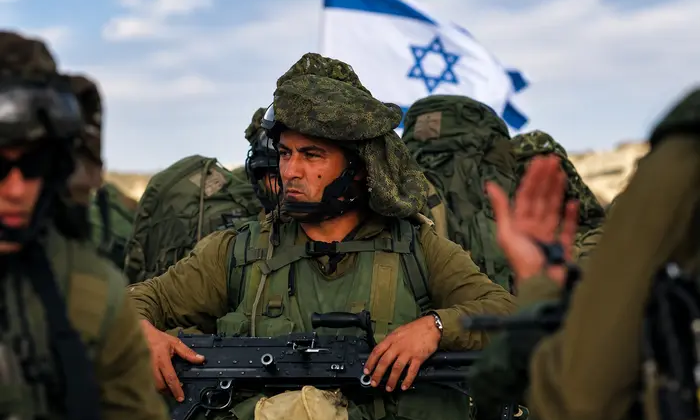
Israel Launches Strikes on Iran
According to Главком: The Israel Defense Forces have carried out airstrikes against military sites in western and central Iran, ignoring a direct request from U.S. President Donald Trump to refrain from such action. Explosions were reported in Tehran, Tabriz, and Isfahan. The IDF confirmed the operation targeted military installations and involved the use of air-launched ballistic missiles.
In the lead-up to the attack, Trump phoned Israeli Prime Minister Benjamin Netanyahu urging him not to proceed. During a Fox News interview, Trump remarked that Iran’s actions were unhelpful and called on Tehran to return to negotiations. He stated:
“He doesn’t make decisions. I make all the decisions.” - Donald Trump
Iran’s Response
In reaction to the Israeli strikes, senior advisor to Iran’s Supreme Leader, Ali Velayati, warned of a potential blockade of the Bab el-Mandeb Strait, a critical chokepoint through which roughly 15% of global maritime trade passes. He emphasized that the choice lies with the adversary:
“The current situation in Bab el-Mandeb should not push the enemy into miscalculation. The choice is yours: stop this madness or face a response.” - Ali Velayati
This week, Iran also suspended negotiations with the United States following Israeli strikes on Lebanon. The current escalation between Israel and Iran is considered the most severe since the April ceasefire. Meanwhile, Iranian forces carried out strikes against terrorist groups in Sulaymaniyah, located in northern Iraq.
Reports indicate that ballistic missiles launched by Israel violated Jordanian airspace, triggering sirens across the country. On the night of June 6, Iran fired a missile at Israel for the first time since April, in retaliation for Israeli attacks on Hezbollah headquarters in Beirut. This marks a significant intensification of hostilities between the two nations, warranting close monitoring.
The escalating military actions between Israel and Iran highlight the intricate geopolitical landscape of the Middle East, where conflicts can rapidly escalate and impact global security. The exchange of strikes and threats from both sides, along with the U.S. response, signals a potential further deterioration of the situation, raising concerns within the international community. This development may also hinder ongoing diplomatic efforts to stabilize the region and revive peace talks.

Read also