Kaja Kallas Proposes EU Leadership Role in Russia-Ukraine War Peace Talks

The EU’s Involvement in Negotiations with Russia
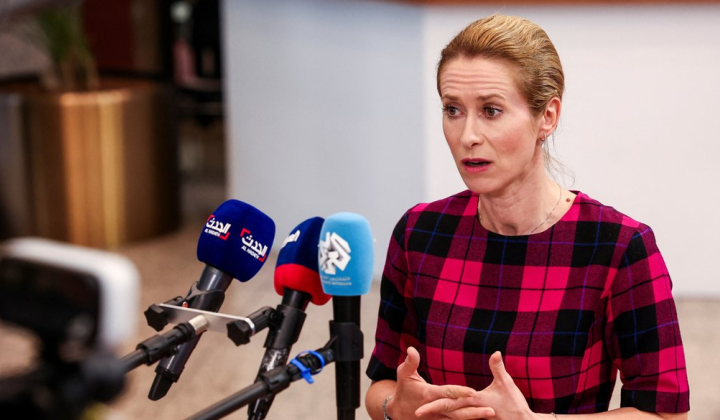
According to Рубрика — Політика: Kaja Kallas, the European Union’s High Representative for Foreign Affairs and Security Policy and Vice-President of the European Commission, has expressed her willingness to represent the EU in peace talks with Russia to resolve the ongoing war in Ukraine. She made this statement during the European Political Community summit held in Dublin on Thursday, where EU leaders discussed representation strategies for negotiations planned in 2024, especially in light of upcoming leadership appointments within the bloc.
Potential EU Negotiators Under Consideration
As preparations for the talks advance, five prominent European figures are being considered as possible EU representatives:
- Italian Prime Minister Giorgia Meloni
- Finnish President Alexander Stubb
- Czech President Petr Pavel
- Danish Prime Minister Mette Frederiksen
- Norwegian Prime Minister Jonas Gahr Støre
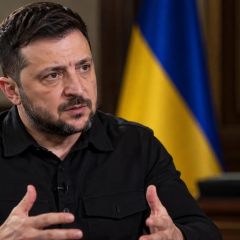
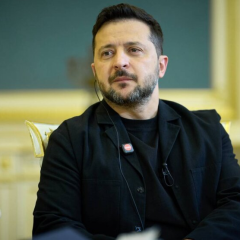
Ukrainian President Volodymyr Zelensky emphasized the critical need for European partners’ involvement in the negotiation process, acknowledging the complexity of the issue but stressing that ending the war, ensuring security, and rebuilding Ukraine cannot be achieved without their participation.
Kallas highlighted the existence of a well-established European security framework, grounded in key agreements such as the Helsinki Final Act, the Paris Charter, and the Budapest Memorandum. She pointed out that
"Europe already has a security architecture enshrined in several documents - recalling the Helsinki Final Act, the Paris Charter, and the Budapest Memorandum, where Russia also agreed to this European security system. The problem lies in Russia’s failure to abide by these agreements."
She also stressed the importance of autonomy in selecting EU representatives, stating:
"Why should it be our problem what the Russians say about our representatives? Do we comment on theirs?"
This reflects Europe's readiness to take an active role in the talks despite the difficulties involved.
During discussions on European security and the upcoming negotiations, Kallas asserted that the primary focus must be on ensuring Russia fulfills its commitments. President Zelensky reiterated the significance of involving European allies, emphasizing that
"engaging European partners in the negotiation process has been challenging, but without their involvement, resolving the war, security issues, and Ukraine’s recovery is impossible."
The evolving dialogue around potential peace negotiations signals the EU's growing influence in addressing the conflict in Ukraine. Bringing European leaders into the negotiation process could strengthen international support for Ukraine and contribute to stabilizing the region. However, Russia’s adherence to international agreements remains a major obstacle to successfully ending the war and restoring Ukraine’s territorial integrity.
As the EU prepares for potential peace negotiations, the significance of European support is becoming increasingly evident. The ongoing discussions in Oslo highlight how crucial this backing is for Ukraine to maintain its position and avoid capitulation. To understand the broader implications of these negotiations and the role of EU involvement, read more about the importance of European solidarity in the context of the ongoing peace talks here.

Read also