Kyiv Adjusts Utility Billing Rules in Response to Russian Infrastructure Strikes

Revised Mechanism for Utility Cost Adjustments
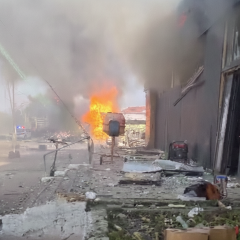
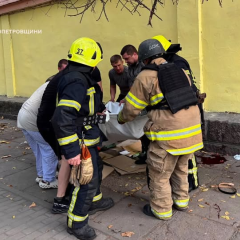
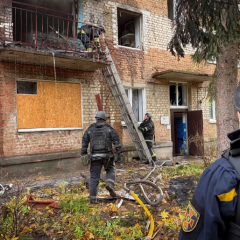
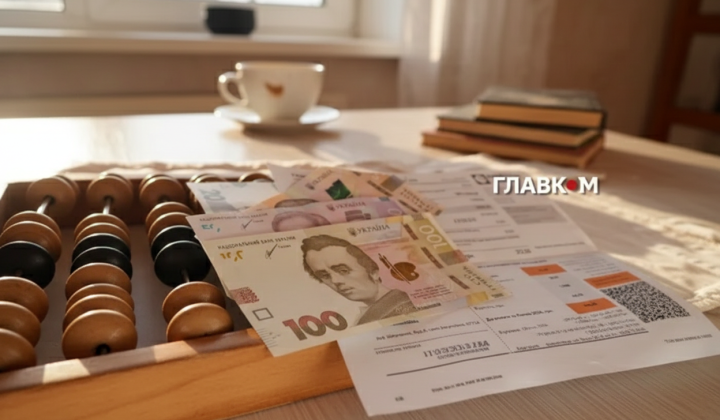
According to Главком: In response to Russian attacks on critical infrastructure, Ukraine’s Cabinet of Ministers has approved changes to how utility bills are recalculated. These updates specifically address situations where heating and hot water services are not provided, are delivered only partially, or fail to meet quality standards. The decision follows large-scale strikes on the capital’s energy grid.
Under the new rules, residents of Kyiv will receive additional billing adjustments for January 2026, covering cases where heating infrastructure was damaged by Russian shelling. The government had previously introduced automatic recalculations for utility fees, which include:
- heat supply
- water supply
- waste collection
Household Tariff Extension
The Cabinet has also extended the current household electricity tariff-set at 4.32 UAH per kWh-through October 31, 2026. These measures aim to shield consumers from the harsh economic realities of war and its aftermath.
These Cabinet-approved changes represent a crucial step in supporting the population during wartime, as they account for the direct impact of military actions on utility services.
By automating recalculations and freezing tariffs, the government seeks to ease the financial burden on households that may face service disruptions due to hostilities. This approach underscores the administration’s commitment to protecting citizens’ rights during the ongoing crisis.
As the situation evolves, the recent adjustments in utility billing are not the only measures being implemented. In light of the ongoing challenges posed by Russian strikes, new rebates for heating and hot water have also been introduced to further alleviate the financial strain on citizens. These initiatives reflect a broader strategy to support residents during this turbulent period.

Read also