California Scientists Grow Brain Organoids on ISS Revealing Alzheimer’s-Linked Changes

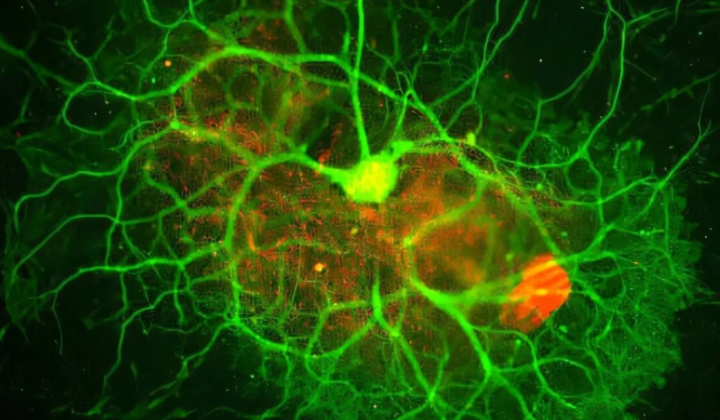
Brain Organoid Experiments Conducted Aboard the International Space Station
According to НВ — Техно: Researchers at the University of California, San Diego cultivated brain organoids-miniature models of the human brain-and exposed them to space conditions on the International Space Station (ISS) for 40 days. After returning to Earth, the organoids exhibited molecular alterations associated with Alzheimer’s disease, including elevated levels of amyloid-beta and phosphorylated tau proteins. These findings suggest that the unique environment of space can induce changes in nerve cells that resemble those found in neurodegenerative disorders.
How Space Conditions Affect Brain Organoids
During the study, the organoids were housed in a sealed laboratory container maintained at human body temperature. Some of the organoids were genetically engineered to carry mutations linked to Alzheimer’s disease, while others remained unaltered to serve as controls.
The research identified several space-related factors impacting the organoids, such as:
- microgravity,
- cosmic radiation,
- magnetic field fluctuations,
- disrupted biological rhythms,
all of which can intensify oxidative stress, impair mitochondrial function, and influence inflammatory responses. These effects raise concerns about astronaut health during extended missions. However, it is important to note that these lab-grown organoids only partially replicate the human brain, and the genetic modifications used represent a small subset of Alzheimer’s cases.
Future research plans include incorporating microglia into the organoids to deepen understanding of brain aging and neurodegeneration under spaceflight conditions. This work aims to enhance protective strategies for astronauts on long-duration space missions.
This study highlights the critical need to examine how spaceflight environments impact human biology, especially in the context of prolonged exploration missions. Insights into molecular changes tied to neurodegenerative diseases may not only improve astronaut health protocols but could also open new avenues for treatments and prevention here on Earth.
These findings underscore the importance of understanding how space radiation impacts brain function beyond just the physical structure, especially when considering the potential effects on astronauts' health during long missions. By examining immune responses in other models, researchers can further unravel the complexities of neurodegeneration in space.

Read also