Canada's Unconventional Defense Plan: Why a Guerrilla Strategy is Seen as the Only Option Against the U.S.

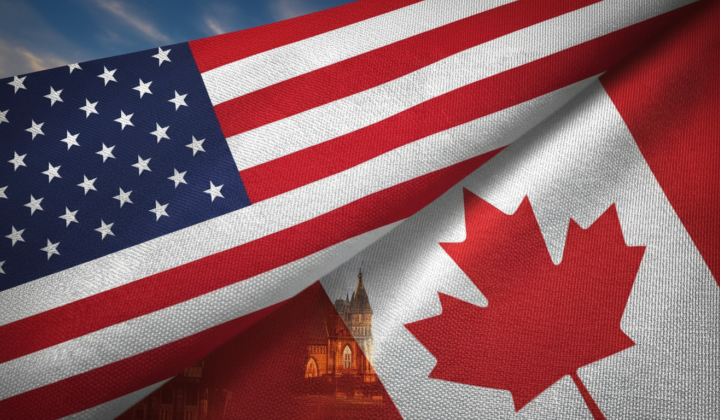
A Theoretical Model for Countering U.S. Military Aggression
According to ХВИЛЯ: Canadian military strategists have developed a theoretical framework for resisting potential armed aggression from the United States, centered on guerrilla warfare tactics. This model was formulated based on assessments that Canada's conventional military forces could be overwhelmed by the U.S. in as little as two days. Consequently, the country's defense leadership has focused on an insurgent-style approach, which includes:
- the use of ambushes;
- hit-and-run tactics;
- a prolonged guerrilla campaign.
A key aspect of this strategy is Canada's explicit refusal to attempt to defend or hold major urban centers.
Concerns and International Support
This conceptual and theoretical framework is not an approved military plan, but it has already raised concerns within Canadian intelligence. Analysts anticipate that clear signals, such as a U.S. withdrawal from the NORAD defense pact, would precede any genuine hostile intent from Washington. In the event of aggression, Canada would plan to seek assistance from allies like the United Kingdom and France.
The backdrop for this planning includes statements from Donald Trump, who has repeatedly referred to Canada as a '51st state' and shared social media posts depicting maps where Canada and Venezuela are covered by the U.S. flag. While at the World Economic Forum in Davos, Canadian Prime Minister Mark Carney has considered deploying a Canadian contingent to Greenland, a move potentially signaling readiness to counter emerging threats. The year 2026 is already marked as a period of unprecedented strain in Ottawa-Washington relations, underscoring the perceived relevance of this resistance model. This planning reflects deep-seated, though historically unlikely, strategic anxieties given the profound economic and cultural ties between the two nations.
The development of this counter-aggression model highlights Canada's growing apprehension regarding potential threats from its southern neighbor, particularly in light of recent political rhetoric and actions. Considering historical and geopolitical realities, such a strategy could become a crucial component of Canada's national security planning. The emphasis on coordination with allies further underscores the perceived necessity of international support in the face of a potential armed conflict.

Read also