Canadian Researchers Develop an 8-Week Dissolvable Hydrogel for Tendon Repair

A Suture-Free, Implant-Free Approach: Scientists Draw Inspiration from Sea Cucumbers to Heal Tendons
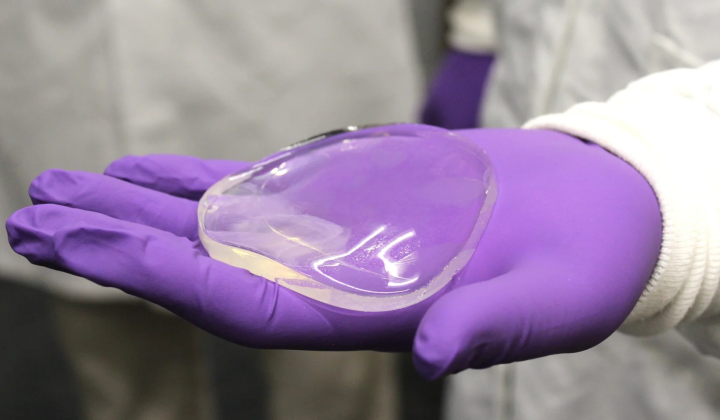
According to НВ — Техно: At the University of Waterloo, Canadian scientists have engineered a novel hydrogel designed for repairing torn tendons and damaged soft tissues. This innovative material features adjustable stiffness and naturally breaks down in the body within approximately eight weeks. Their findings were published in the journal Advanced Functional Materials.
The hydrogel acts as a temporary scaffold at the injury site, holding cells together and encouraging proper tissue regeneration. Its stiffness can be tailored to suit the specific requirements of different organs and tissues, making it suitable for delicate areas like the brain or more demanding regions such as tendons.
“Different organs require different types of support. For example, the material near the soft brain tissue needs to be gentle, while that around a heavily loaded tendon must be strong and elastic.”
- Professor Yimin Wu
The team created this hydrogel using a process that involves freezing a mixture to develop its internal structure, followed by soaking it in saline solutions.
After nearly four years of development, the hydrogel was successfully tested on rats with tendon tears. The results showed that animals treated with the hydrogel recovered faster than those receiving conventional surgical sutures, with restored tendons functioning similarly to healthy ones.
The researchers have filed two patent applications for this technology and established a company to bring it to market. Their next steps include testing on larger animals and eventually conducting human clinical trials. This hydrogel represents a promising advancement in less invasive treatment options for injuries.
Future Potential
This breakthrough opens new avenues in treating injuries, especially in sports medicine and orthopedics. Should human trials confirm its safety and effectiveness, this material could revolutionize how tendon ruptures and soft tissue damage are managed, reducing reliance on traditional surgery.
Ultimately, this hydrogel could not only accelerate healing but also lower the risk of complications linked to surgical procedures.

Read also