Germany’s Chancellor Merz Threatens to Block EU’s 2028–2034 Budget Over Ukraine Funding Dispute

EU Budget and Ukraine’s Financial Aid Under Strain
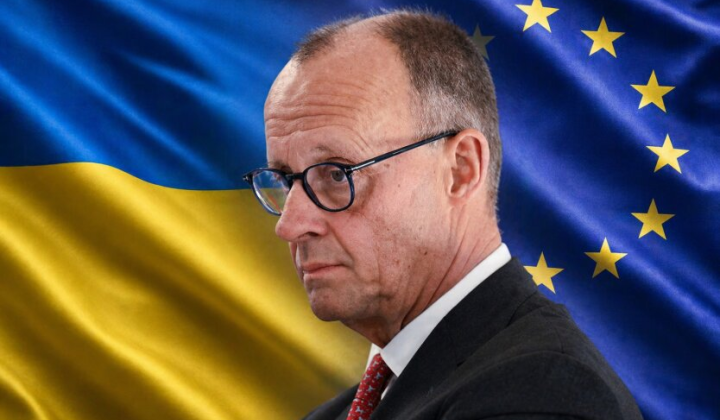
According to ХВИЛЯ: German Chancellor Friedrich Merz has warned that he may veto the European Union’s seven-year budget for 2028–2034 unless all member states agree to financial support for Ukraine starting in 2027. Ukraine faces a looming funding gap of €70 billion next year, despite the EU’s approval of a €90 billion loan in December 2023. The ongoing talks around the EU budget and Ukraine’s aid are closely tied to upcoming elections and Germany’s efforts to avoid budget vetoes.
The EU has pledged to cover roughly €45 billion of Ukraine’s €70 billion deficit. However, several countries, including Hungary, Slovakia, Bulgaria, and the Czech Republic, have indicated they will not continue contributing to Ukraine’s financial aid. Additionally, Hungary, Slovakia, and the Czech Republic have secured exemptions from paying interest on the €90 billion loan.
Friedrich Merz stated: “A collective commitment, where every one of us fairly participates in closing Ukraine’s funding gap, is a prerequisite for resolving this issue and discussing any further matters, especially those with financial implications.”
A German government spokesperson emphasized that “Ukraine’s financial needs must be addressed within the next EU budget cycle. Support from all member states is essential to successfully conclude the EU budget negotiations.”
Political Ramifications of Ukraine Funding
Countries resisting further financial aid to Ukraine currently receive more from the EU budget than they contribute. Merz advocates for decisions on Ukraine’s future funding to be made by qualified majority voting rather than unanimous consent. Upcoming elections in Italy and Poland could complicate consensus-based funding approvals.
These discussions took place during an EU leaders’ summit in Dublin on Thursday and Friday. Meanwhile, Marine Le Pen, leader of a major French political party, declared that if elected president in April 2024, she would halt support for Kyiv except for operational aid and military training.
The debate over EU financial assistance to Ukraine carries significant political consequences, as several member states have already expressed reluctance to continue funding. This stance poses challenges to securing consistent financial backing for Ukraine amid its growing deficit. Future EU budget negotiations will be crucial in determining ongoing support for Ukraine and maintaining regional stability.
The ongoing debate surrounding Ukraine's financial support highlights a broader context of international aid dynamics. As the US pauses its arms funding, European nations, including Germany, continue to affirm their commitment to assisting Ukraine. This situation emphasizes the importance of unity among EU member states in addressing Ukraine's urgent needs. For a deeper understanding of how the shifting landscape of support affects Ukraine’s stability, read more about the EU's ongoing assistance efforts here.

Read also