«Ukraine's capitulation is Europe's capitulation»: why Merz is raising the stakes
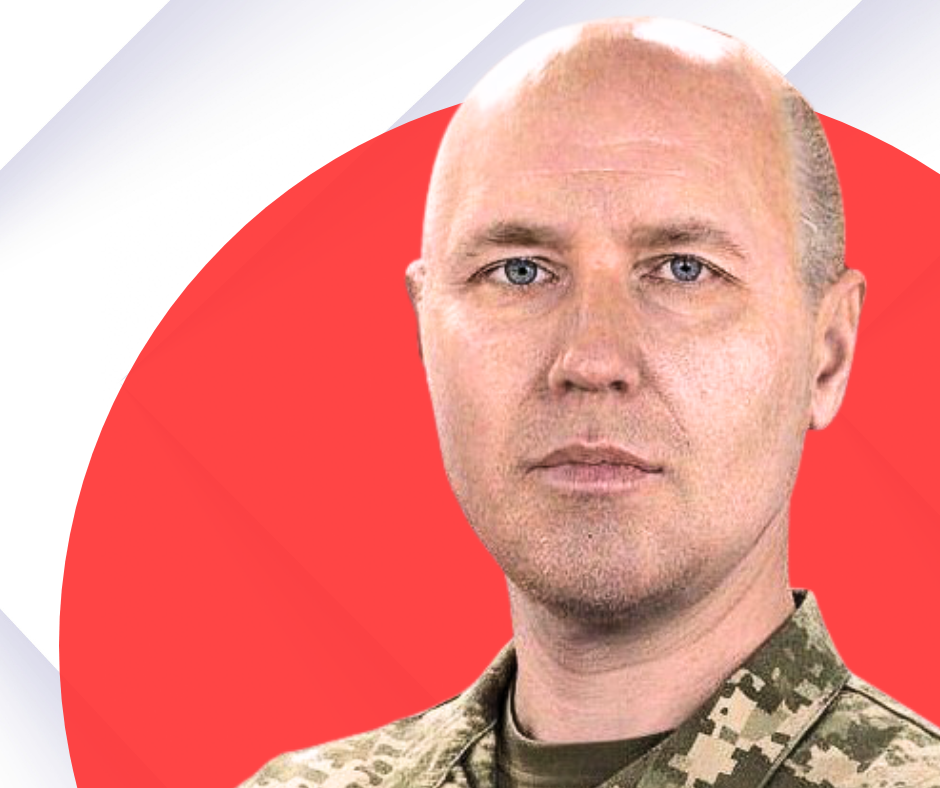
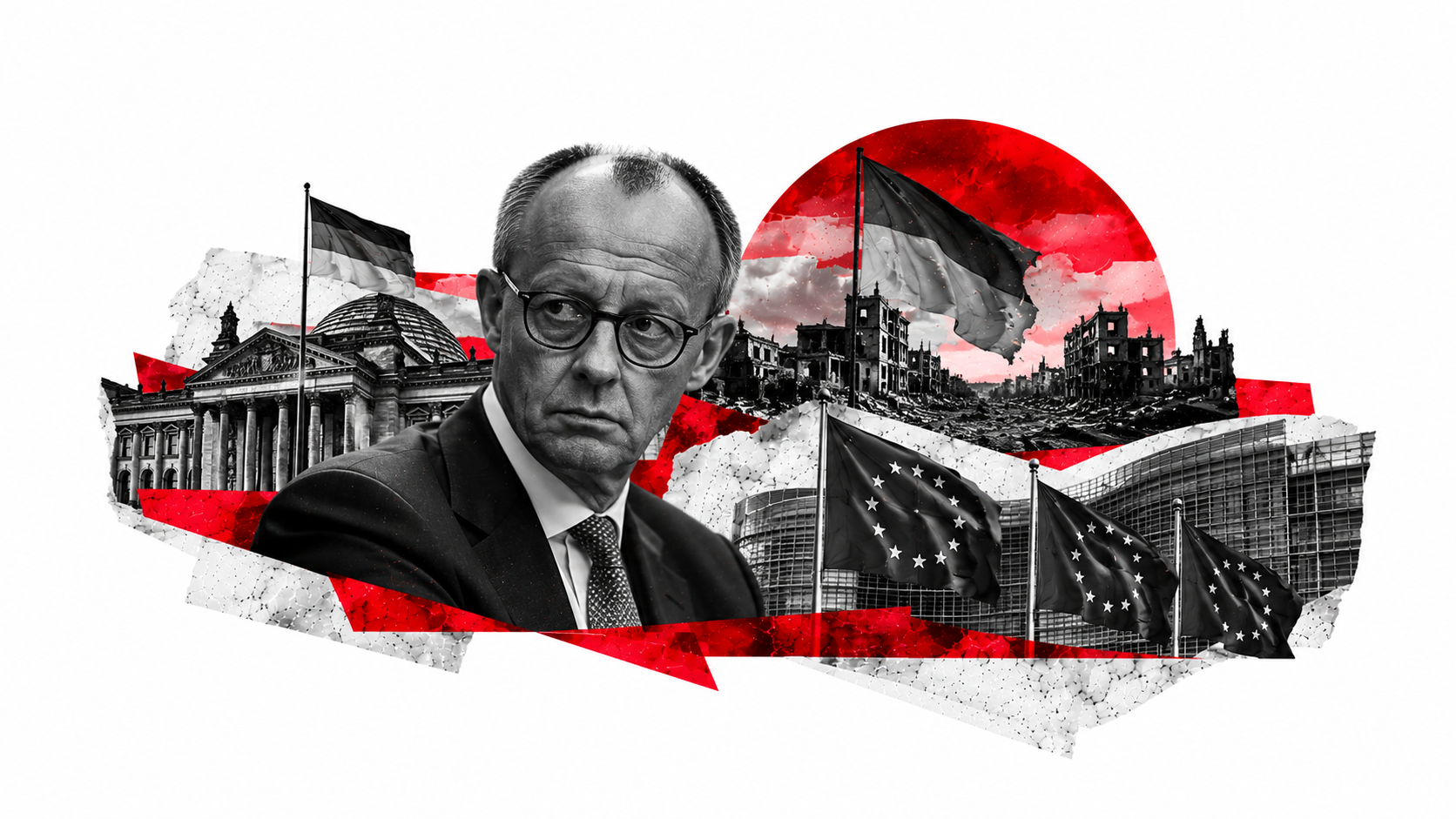
The German Chancellor Friedrich Merz increasingly ties the future of Ukraine to the security of the entire European Union. His thesis that Kyiv's defeat would mean a strategic defeat for Europe reflects a fundamental change in German foreign policy. However, behind the resolute rhetoric lies an uncomfortable economic question: is the EU ready to finance the security system that its leaders proclaim to be vital on their own?
“Europe is increasingly confidently speaking the language of strategic independence. But its defense budgets still largely depend on American capabilities.”
Berlin raises the stakes: Ukraine as a test for Europe
Friedrich Merz is trying to change the very logic of the European discussion about the war. Previously, aid to Ukraine was often presented as a political choice or an expression of solidarity, but now Berlin increasingly describes it as an investment in its own security.
In this logic, a possible capitulation of Ukraine would mean not only a change in the military-political balance in the east of the continent. It would call into question Europe’s ability to defend the principles on which the post-war order is built: state sovereignty, inviolability of borders, and the impermissibility of territorial acquisitions by force.
This position becomes particularly significant against the backdrop of American attempts to accelerate diplomatic settlement. For European capitals, the fundamental question is not just to end hostilities, but the terms of any future agreement.
A ceasefire without effective security guarantees may reduce the intensity of the war today, but it does not necessarily eliminate the threat of its resumption tomorrow.
That is why Berlin is trying to convey to Washington: the speed of an agreement cannot be the sole criterion for its success. Otherwise, a short-term diplomatic victory risks turning into long-term costs for European security.
Europe's existential fear: peace on the terms of strength
Beneath Merz's harsh rhetoric lies a broader problem. The European security system has relied for decades on the assumption that major interstate wars on the continent are no longer the primary means of revising borders.
The Russian invasion of Ukraine has shattered this model. If the war ends with agreements that effectively reward the use of force, European governments will have to review their own defense strategies.
For Germany, this is particularly painful. Its economic model has long depended on exports, relatively cheap energy, and the security guarantees of the United States. Now, all three components are under pressure.
Increasing defense production, enlarging the army, modernizing infrastructure, and rearmament require not only political decisions but also long-term financial commitments.
Europe effectively finds itself facing a choice between two costly scenarios: continue large-scale support for Ukraine or prepare for even greater costs of its own deterrence against Russia in the event of an unfavorable outcome to the war.
The economic paradox is that reducing aid to Ukraine today does not necessarily mean savings for Europe tomorrow.
Words versus resources: the arithmetic of European security
The main contradiction of the German position manifests itself in the ratio of political ambitions and available military resources.
European leaders may proclaim support for Ukraine as a strategic priority, but the defense industry cannot instantly translate budget appropriations into ready-made weapon systems.
Particularly indicative is the situation with air defense. Patriot systems remain one of the most important tools for defending against ballistic missiles, yet their numbers are limited, and production cycles are lengthy. Transferring additional complexes to Ukraine means taking into account the defense needs of donor states.
The financial problem is no less complex. European discussions mention Ukraine's need for about 70 billion euros of external support by 2027. However, this amount should be viewed as an estimate of financing needs rather than already confirmed budget gaps for the EU.
Even if European governments agree to provide the necessary funds, there remains the question of mechanisms: direct grants, preferential loans, joint borrowing, or utilizing proceeds from frozen Russian assets.
Each option carries a political cost. Grants directly burden donor budgets. Loans create liabilities and require specifying sources of repayment. Joint borrowing intensifies discussions about the distribution of financial responsibility among member states.
“The true price of European security is determined not by the loudness of chancellors' statements but by the number of missiles produced, signed contracts, and guaranteed budget appropriations.”
American dependency: strategic autonomy on paper
The most difficult question for Berlin is not only the level of assistance to Ukraine but also the ability to provide it without decisive involvement from the United States.
European states have significant economic potential and a developed defense industry. However, certain critically important military capabilities remain closely linked to American technologies: satellite reconnaissance, strategic aviation, command systems, missile defense, and precision strike systems.
Therefore, European strategic autonomy cannot be achieved merely by increasing defense budgets. It requires the development of an indigenous industrial base, coordination of procurement, and long-term planning.
At the same time, it would be a mistake to completely contrast European capabilities with American ones. The EU already provides substantial financial and military support to Ukraine. The issue primarily lies in the ability to rapidly scale production and compensate for those capabilities traditionally provided by Washington.
This is where the boundary lies between political aspirations for independence and its practical realization.
Normative trap: who will pay for European principles?
Merz's statements demonstrate a fundamental dilemma of modern Europe. If Ukraine's security is indeed inseparable from the security of the EU, its financing ceases to be a matter of foreign policy charity. It becomes part of the defense expenditures of European states.
However, this approach requires political readiness to explain to voters why defending the continent will require additional budget resources, even in the context of economic slowdown and social constraints.
Merz is effectively trying to shift the discussion from the realm of solidarity to that of strategic necessity. However, the success of this shift will be determined not by formulations but by decisions regarding arms production, financing Ukraine, and the allocation of defense obligations.
For Washington, this is also a signal: European allies do not regard any quick cessation of hostilities as an automatic diplomatic success. At the same time, Europe itself will have to prove that its position is backed by sufficient resources.
The most important question is not whether the EU is ready to abandon capitulation as a political scenario. It is whether the Union can provide the material conditions under which such a scenario does not become inevitable.
This is the main challenge for Berlin. European security can no longer exist merely in the form of treaties, declarations, and joint statements. It requires factories, arsenals, financial guarantees, and political accountability.
Merz raises the diplomatic stakes by linking Ukraine's fate to the future of the entire continent. But the ultimate weight of this position will be determined not by the Chancellor's rhetoric but by the readiness of European states to translate proclaimed principles into long-term commitments.
After all, in great geopolitics, capitulation does not necessarily begin with the signing of a document. Sometimes it starts when strategic promises cease to align with available resources.

Read also