Kyiv's Energy Crisis Deepens: Troieshchyna Loses Heat, New Power Schedules Roll Out

Kyiv's Post-Attack Infrastructure Crisis
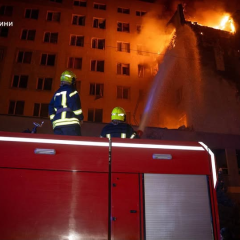
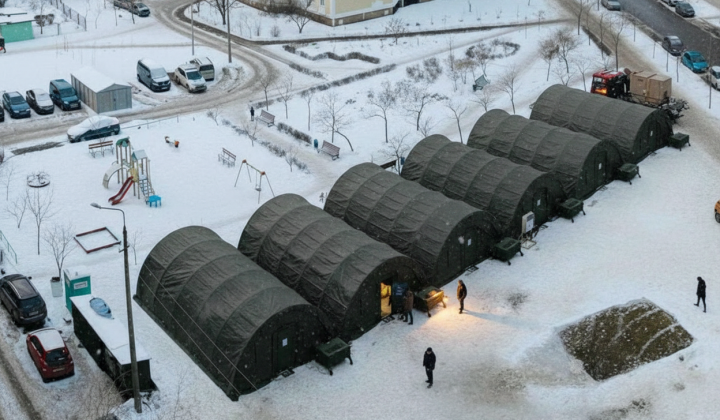
According to Главком: Following the January 2026 attacks, Kyiv is grappling with severe damage to its utility infrastructure. The assault on January 24th hit the Desnianskyi district particularly hard, creating a major utility crisis. The Troieshchyna residential area is facing the most dire situation, left without heating after the attack disabled the TEC-6 thermal power plant. These strikes are part of a wider pattern of attacks on Ukraine's energy grid, which have escalated since the full-scale invasion began in 2022.
Government Measures in Response
On January 29, 2026, Deputy Prime Minister Oleksii Kubela announced a decision to exempt buildings without heating from planned electricity blackouts. This policy is a direct response to the critical and volatile state of the capital's energy system. Kubela stated that:
"We have managed to implement electricity supply schedules for the population almost everywhere, but these schedules are quite strict." – Oleksii Kubela
He noted a positive trend, indicating that authorities are gradually moving away from total blackouts and toward a more predictable, planned approach.
Furthermore, the utility company DTEK Kyivski Elektromerezhi has temporarily suspended its standard six-stage stabilization blackout schedule. It is replacing this with a new system of individualized power supply timetables for each specific address. Separately, President Zelenskyy has instructed the government to decide on how to handle billing for January's heat supply, a decision that could significantly impact residents' financial burden during the winter.
Kyiv continues to adapt to these harsh new realities, striving to provide energy and heat to its residents amidst the ongoing challenges. While the measures taken aim to mitigate the impact on citizens and stabilize utility services, the threats to the city's infrastructure and energy security remain extremely serious. This situation underscores the critical need for swift and effective action from both the state and energy companies to support the population through a difficult period.

Read also