Kyrylo Budanov Joins Ukrainian Delegation for Abu Dhabi Talks, No Breakthrough Expected

Diplomatic Talks in Abu Dhabi
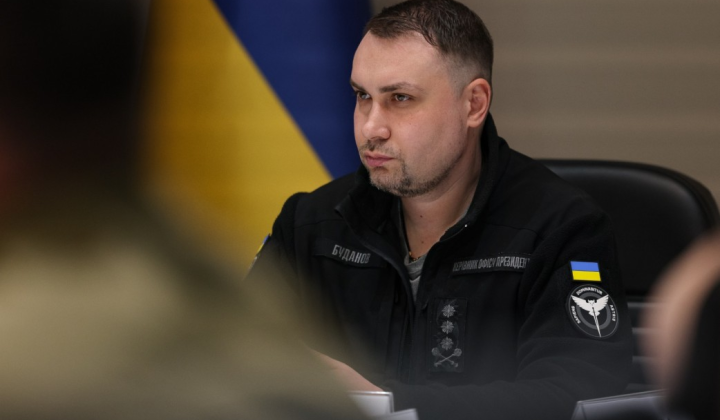
According to Рубрика — Політика: Kyrylo Budanov, head of the Ukrainian President’s Office, will take part in the upcoming negotiations involving Ukraine, the United States, and Russia, scheduled for November 10-11 in Abu Dhabi. Facilitated by the U.S., these discussions are not intended to produce a final resolution or a breakthrough in ending the ongoing conflict. Budanov emphasized that the main focus will be assessing the readiness to move toward concluding the war.
Representing Russia at the talks will be Vladimir Medinsky, assistant to the Russian president, whom the Kremlin has appointed as the chief negotiator in the trilateral talks with Ukraine and the U.S. Budanov stressed that expectations for significant outcomes from this meeting should remain low.
“Let me reiterate: these negotiations are not the last and are not conclusive. We’re only discussing the willingness to bring the ongoing war to an end.” - Kyrylo Budanov
This round of talks follows a series of meetings held in October. Notably, on October 21 in Saint Petersburg, U.S. special envoy Steve Witkoff met with Vladimir Putin. This meeting came a day after Witkoff’s discussions with Ukrainian President Volodymyr Zelensky, as well as leaders from Norway and Finland in Oslo. Putin announced Moscow’s readiness to resume trilateral negotiations involving the U.S., Ukraine, and Russia in early November.
Anticipated Outcomes
Budanov expressed cautious optimism regarding the negotiations, stating, “What will we achieve? We’ll find out in a few days.” While important topics are expected to be addressed, no substantial progress toward resolving the conflict is anticipated.
The Abu Dhabi talks represent a critical element of ongoing diplomatic efforts aimed at easing tensions between Ukraine and Russia. Given that this meeting is not expected to deliver a final settlement, it may still serve as a stepping stone for continued dialogue. The international community’s response to these discussions could shape the next phases of the peace process.

Read also