Expert: China's 'Measured' Aid to Iran Aims to Entangle the US in a 'Second Vietnam'

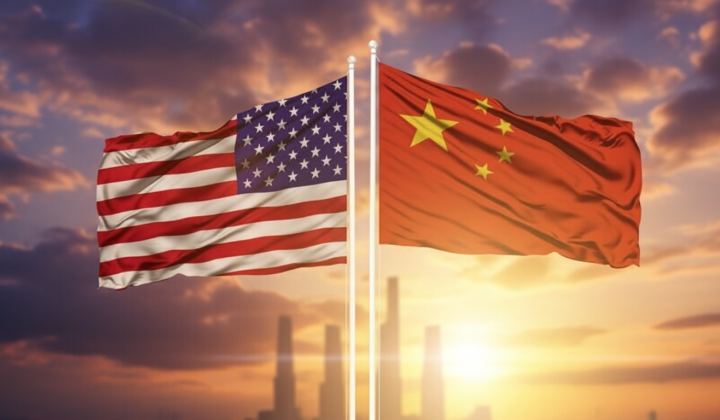
Analyzing China's Position in the Middle East
According to ХВИЛЯ: Middle East expert Mohammad Farajallah, speaking on political analyst Yuriy Romanenko's broadcast, assessed China's stance during the latest regional escalation. He stated that Beijing has provided Tehran with measured military assistance, hoping it would draw the United States into a protracted conflict. This move, however, has disappointed Arab partners, particularly Gulf nations, who had placed their hopes in Chinese diplomacy. The Middle East remains a critical arena for global power competition, where such strategic maneuvers carry significant risks.
Farajallah noted that Gulf countries had anticipated China's support following the Beijing-brokered restoration of relations between Saudi Arabia and Iran. Yet, it became apparent that Chinese diplomacy could not guarantee their security. The expert emphasized that
"they realized they are all as bad as each other"
- Mohammad Farajallah.
Prospects for Regional Stability
In this context, he also expressed the view that China perceives the situation with Iran as an attempt to create a 'second Vietnam,' drawing a parallel to the historical events where the Soviet Union entangled the US in the Vietnam War.
Farajallah remarked that this confirms a model where China has only one true ally: itself.
"They will not fight for anyone, but they will exploit others' misfortune for their own interests"
- the expert noted. Consequently, China's position in the Middle East is causing concern among Arab partners who had hoped for a more active role from Beijing in ensuring regional stability.
The situation in the Middle East remains complex, with China's role in regional conflicts becoming increasingly prominent. Arab nations, particularly the Gulf states, must reassess their security and diplomatic strategies, considering that traditional allies may not always provide the necessary support. China's self-interested stance underscores the need for more active involvement from other global players to ensure stability in the region.
In light of China's cautious approach to its involvement with Iran, it is essential to consider the broader implications of its diplomatic efforts. The recent strategic motives behind Beijing's mediation in the US-Iran conflict reveal how China is positioning itself in the Middle East, potentially reshaping alliances and security dynamics in the region.

Read also