Chinese Astronauts Complete Rice Harvest on Tiangong Station, Advancing Space Agriculture Research

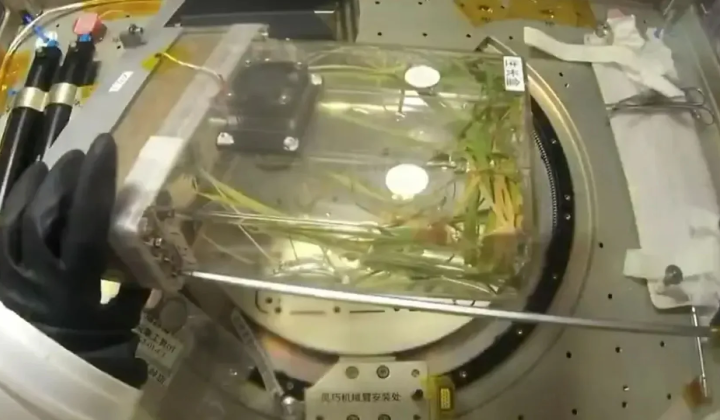
Rice Cultivation Experiment Conducted in Space
According to НВ — Техно: Chinese astronauts aboard the Tiangong space station have successfully finished harvesting rice as part of a groundbreaking experiment on growing crops in microgravity, initiated in 2026. This study aims to cultivate rice over multiple generations in orbit, investigating both genetic and epigenetic changes. A key objective is to complete two full seed-to-seed growth cycles entirely in space.
The initial rice-growing trials on Tiangong began in 2022. In the current experiment, the first generation of rice was grown from Earth-supplied seeds in orbit. Subsequently, seeds harvested from this first generation are being used to grow a second generation fully in space. Notably, seeds from the 2022 experiment were returned to Earth, where three additional generations were cultivated. This allows scientists to compare Earth-grown rice with its space-grown descendants.
Reproduction Techniques and Future Objectives
This research also explores two plant reproduction methods: sexual and asexual. The asexual approach involves harvesting rice while preserving the mother plant's root system, potentially enabling multiple harvests from the same plants without replanting. The ultimate goal is to develop sustainable food production in space, reducing reliance on Earth-based supplies.
Additionally, China is planning to develop a Space Solar Power Station (SSPS), designed to collect solar energy in orbit and transmit it to Earth using microwave beams. This technology could also serve as a tool for electronic warfare. Therefore, the experiments on Tiangong represent a significant step toward technologies that support long-term human presence in space.
This rice cultivation experiment in microgravity opens new frontiers for space agriculture and may profoundly influence the future of space missions. With China's ambitions to build a space-based solar power system, these research outcomes could enhance human autonomy in space by decreasing dependence on terrestrial resources and fostering advancements in energy technology. Such developments hold far-reaching implications for future space exploration and planetary colonization efforts.

Read also