U.S. and Israeli Military Plans Could Extend Middle East Conflict Through September

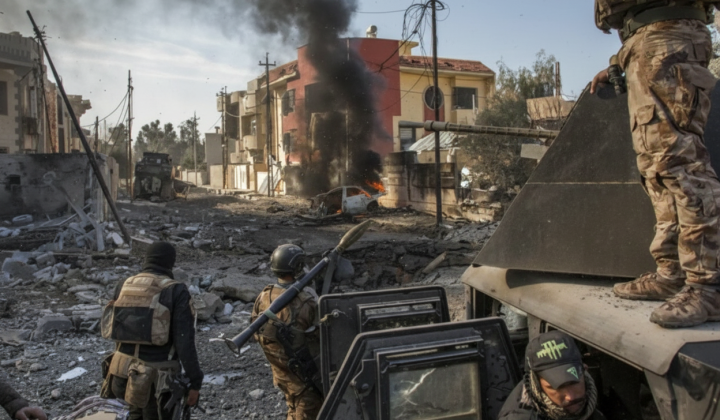
The Middle East Situation
According to Главком: U.S. allies are concerned that the Middle East conflict, stemming from a joint U.S. and Israeli military operation against Iran, could persist for several months and may not conclude before September of this year. This region is a critical global energy hub, making prolonged instability a significant international concern. However, advisors to U.S. President Donald Trump believe the intensive phase of the operation could end by early April, estimating that active combat may last approximately 4-6 weeks from the campaign's start.
Three separate sources within the U.S. administration and NATO countries have confirmed that regional instability and U.S. involvement are likely to continue at least until September. Meanwhile, Israel plans to extend its attacks on Iranian territory, intending to strike for a minimum of three weeks and target thousands of additional objectives. The operation, codenamed 'Epic Fury,' is the result of many months of meticulous planning. Anna Kelly confirmed this, stating,
"Epic Fury is the result of many months of meticulous planning."
Trump's Plans for the Strait of Hormuz
Additionally, Trump intends to forcibly reopen the Strait of Hormuz to restore full-scale oil exports through the Persian Gulf. To achieve this, Washington is actively working to form an international coalition of allies to support its actions in the region. Given the existing Middle East tensions, these measures could substantially influence the situation's future trajectory and global markets.
The Middle East remains highly volatile, as U.S. and Israeli military actions could have long-term consequences for regional stability. Reopening the Strait of Hormuz for oil exports is critically important not only for regional economies but also for world markets, as any disruption could lead to increased energy prices. The effort to build an international coalition may also indicate a U.S. desire to secure broader support for its actions, which could, in turn, affect the conflict's dynamics and relations with other regional states.
As the situation evolves, it's crucial to understand the potential risks involved in the ongoing military operations. Recent reports suggest that U.S. military planners may have underestimated the blockade risks associated with the Strait of Hormuz, which could significantly impact the region's stability and global oil markets. Analyzing these factors will be essential for comprehending the broader implications of the current conflict.

Read also