How Russia, the US, and China Are Preparing for Space Conflicts by 2036

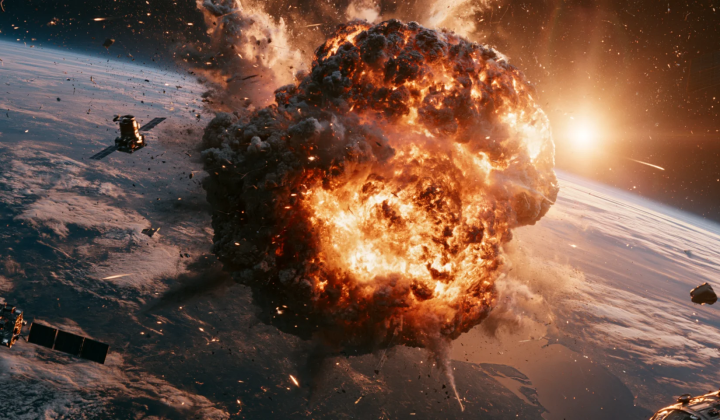
The Emerging Threat of Space Warfare by 2036
According to НВ — Техно: As tensions rise over the potential for armed conflict in space by 2036, the actions of Russia, the United States, and China are drawing increased scrutiny. In November 2021, Russia’s Nudol missile destroyed the Kosmos-1408 satellite, generating over 1,500 trackable debris fragments in orbit. This event exemplifies the Kessler syndrome, a dangerous chain reaction of space debris collisions that could severely disrupt future space operations.
Rising Tensions and Threats in Orbit
In October 2026, Dmitry Medvedev, Deputy Chairman of Russia’s Security Council, issued a stark warning of space warfare if Russia’s satellite network "Rassvet" were to be blocked. He ominously predicted that Starlink satellites would "fall like brittle Christmas tree ornaments," highlighting the potential for rapid escalation in orbital confrontations.
This rhetoric underscores the growing risk of conflict in the space domain unless diplomatic solutions are found.
From the US side, Air Force Secretary Troy Meink stated in September 2026 that the country possesses weapons stationed in orbit. American intelligence agencies anticipate that assaults on space infrastructure could become commonplace during international crises. Furthermore, by the late 2020s, China is expected to deploy combat lasers in space, which would add a new layer of complexity and danger to the already volatile space environment.
Russia’s recent pursuit of a commercial satellite in orbit marks a significant escalation, reflecting intensifying competition in space. The 2013 film "Gravity" by Alfonso Cuarón strikingly portrays the catastrophic consequences that such orbital conflicts could unleash. While the future of space warfare remains uncertain, current incidents and official statements highlight the urgent need for international dialogue and regulation.
The mounting strain in outer space emphasizes the critical importance of establishing new global rules and treaties to govern national activities beyond Earth’s atmosphere. Without such agreements, the risk of conflict escalation threatens not only the viability of space programs but also terrestrial security. In an era marked by rapid technological advances and strategic rivalry-especially among the US, Russia, and China-maintaining peace and stability in space is becoming one of the most pressing challenges for the global community.
As the landscape of space warfare evolves, understanding the specific threats posed by adversaries is crucial. Recent reports indicate that China's advancements in space-based laser technology could significantly alter the strategic balance in orbit by the end of the decade. This development adds urgency to the discussions surrounding military preparedness in space and the necessity for robust countermeasures.

Read also