Kremlin Alarmed by Sliding Polls for United Russia, Issues Media Directives

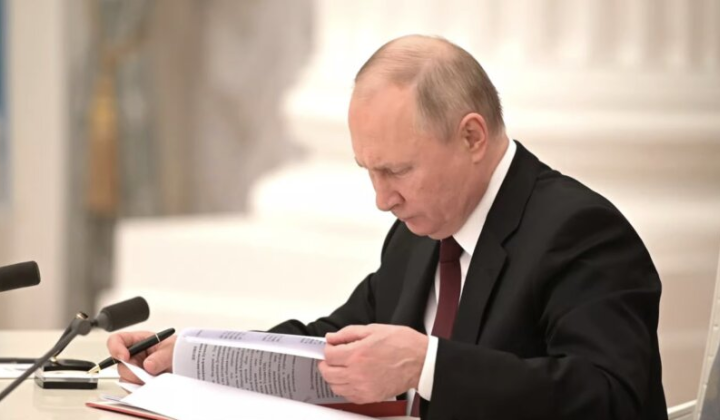
Kremlin Concern Grows as United Russia's Popularity Declines
According to ХВИЛЯ: Russia's presidential administration has instructed state-aligned media to increase coverage of the ruling United Russia party and its social programs. This directive follows a significant drop in the party's approval ratings, which analysts link to the economic strain on the Russian public from the ongoing war in Ukraine. The Kremlin's political bloc is clearly worried about this erosion of support.
Economic Strain and a Publicity Push
According to the Meduza outlet, support for United Russia has fallen by an average of 10 percent nationwide, with a steeper decline of 13-15 percent recorded in St. Petersburg. The Institute for the Study of War notes that the Russian population is increasingly bearing the economic costs of the prolonged conflict, facing rising prices for food and utilities.
Experts from the Institute for the Study of War state: 'The Russian domestic population is increasingly bearing the economic costs of Russia's protracted war in Ukraine, as Russian civilians also struggle to afford housing.'
In response, the Kremlin has ordered the press to more actively highlight the party's social initiatives, specifically focusing on:
- family support programs;
- benefits for veterans;
- the procurement of military equipment for the front lines.
With State Duma elections scheduled for 2026, the falling ratings present a serious concern for the Kremlin's political strategists. This media push is a common tactic to shore up support ahead of electoral cycles.
The declining popularity of United Russia signals growing social tension within the country, which could have significant implications for Russia's future political landscape. The Kremlin's attempt to reinforce its position by emphasizing social initiatives suggests a recognition that its public messaging strategy requires adjustment. The situation is further complicated by economic hardships, which may deepen public dissatisfaction and influence the outcome of upcoming elections.

Read also