Queensland University Research Links Tiny Plagioclase Crystals to Volcano Eruption Forecasts

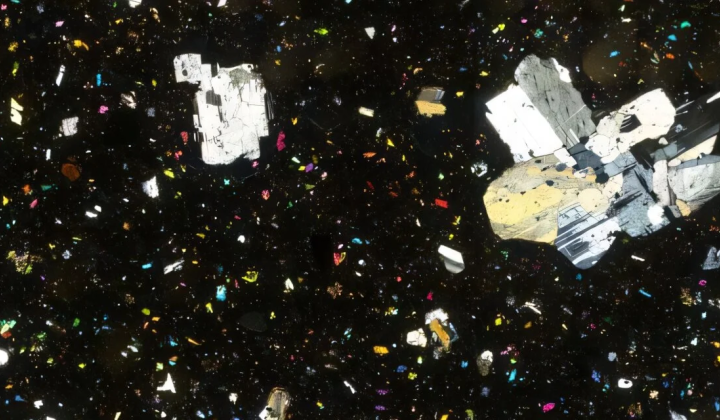
Insights from Deep Within the Earth
According to НВ — Техно: Researchers from the University of Queensland have discovered that minuscule plagioclase crystals can serve as early warning signs for volcanic eruptions. By examining the chemical composition of 28 rock samples collected from seven volcanoes stretching about 230 kilometers across the Andes in Chile and Argentina, the team focused on the smallest plagioclase crystals-some as thin as a human hair.
Chemical Markers Reveal Eruption Potential
The study found that these tiny, newly formed crystals develop in the final stages before an eruption. A consistent chemical signature appeared across crystals from volcanoes of varying ages and activity levels, a pattern also seen in volcanoes along the Pacific Ring of Fire. Computer simulations suggest this signature emerges when extremely hot magma rises from deep beneath the surface to a shallow magma chamber, disrupting the delicate balance of magma flow channels and potentially triggering an eruption.
The researchers have named this chemical pattern the "plagioclase eruption field." They intend to investigate whether this signal exists in volcanoes found in oceanic regions and different tectonic settings. Beyond eruption forecasting, analyzing plagioclase crystals may provide valuable insights into the accumulation of precious metals like copper and gold within magmatic systems. This dual application highlights the study’s significance for both volcanic hazard management and the mining industry.
These findings open up promising new avenues for understanding volcanic behavior and could significantly enhance early warning systems for eruptions. Additionally, the study of plagioclase crystals offers a powerful tool for scientists exploring magmatic processes, with potential implications for mining operations focused on extracting valuable metals.

Read also