Russia Rules Out Ceasefire, Lavrov Declares War Will Continue

Russia's War Continues
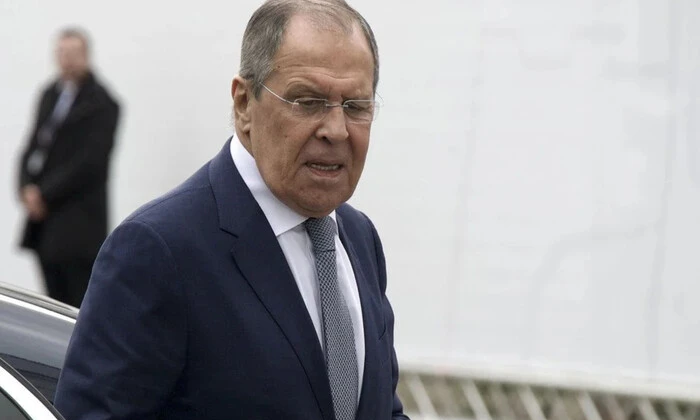
According to Главком: Sergei Lavrov, Russia’s foreign minister, has made it clear that Moscow will not accept a ceasefire along the current front lines. Speaking at a joint press conference with Mozambique’s Foreign Minister Maria Lucas, Lavrov reiterated that Russia intends to keep fighting until it achieves the goals set by President Vladimir Putin in June 2024. This declaration signals a firm rejection of any temporary halt to hostilities.
War Aims
Putin first laid out these objectives during a speech at Russia’s Ministry of Foreign Affairs in June 2024. They include:
- the complete withdrawal of Ukrainian forces from the Donetsk, Luhansk, Zaporizhzhia, and Kherson regions;
- recognition of Crimea and those four regions as part of Russia;
- Ukraine’s commitment to never join NATO;
- implementation of demilitarization and denazification.
The Russian president also claimed that Moscow would immediately cease fire once these conditions are met.
Meanwhile, U.S. President Donald Trump shifted his tone on Ukraine during a NATO summit in Turkey. He spoke of a bright future for Ukraine and noted his good relationship with Ukrainian President Volodymyr Zelensky. According to the Financial Times, this change in Trump’s stance caught European allies off guard. These developments highlight rising international tensions surrounding the war in Ukraine and the evolving dynamics among key global players.
Lavrov’s statement underscores the entrenched nature of Russia’s policy toward Ukraine, suggesting the conflict is likely to escalate further. At the same time, Trump’s rhetorical shift at the NATO summit may point to fresh diplomatic efforts or a change in U.S. support for Ukraine-moves that could reshape regional strategies and alter the balance of power. These factors could open the door to new international negotiations or, conversely, deepen the stalemate.
The ongoing conflict has far-reaching implications, especially in light of recent statements from global leaders. For instance, Trump's recent remarks at the NATO summit suggest a possible shift in U.S. support for Ukraine, which could impact the dynamics of the war and international responses. Understanding these developments is crucial for grasping the evolving geopolitical landscape.

Read also