How Iran's Military Control Unraveled After Khamenei's Death on Day One of the War

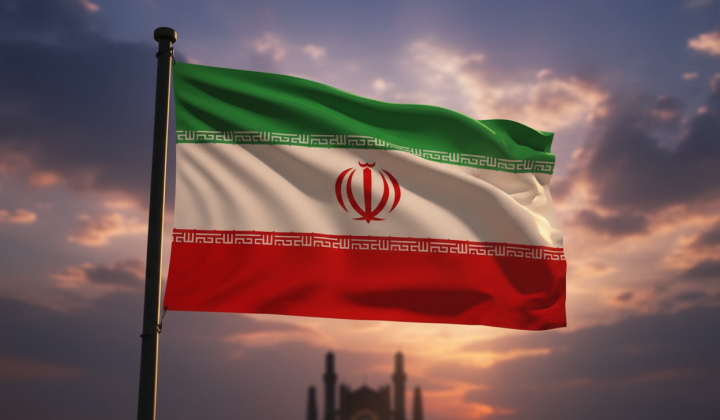
The Death of Iran's Supreme Leader
According to ХВИЛЯ: The elimination of Iran's Supreme Leader, Ayatollah Ali Khamenei, on the very first day of the conflict triggered a profound crisis in the nation's decision-making apparatus. According to expert Maziar Mian, Khamenei's death plunged Iranian military operations into chaos and fragmented the chain of command. He stated,
“On the first day, Khamenei, the leader of the Islamic Republic, on whom everything depended, was eliminated. This is a very significant outcome.”
In the wake of the Supreme Leader's death, Iran was confronted with the disorganized actions of its own armed forces. Mian emphasized:
“If you look at the decisions that were made after Khamenei's elimination, we see complete chaos.”
He cited examples of subsequent bombings, including attacks on Oman and other Arab nations, as well as indiscriminate strikes on Turkey and Azerbaijan. These actions point to a severe breakdown of central authority within the country.
Iran's Governance Crisis
While Iran's contingency plan for the loss of its leadership envisioned the transfer of authority to lower-ranking generals, the reality proved uncontrollable. Mian noted that
- “now various generals in different locations are acting as they please.”
He also highlighted that Iran's Foreign Minister claimed to be unaware of what transpired following the drone attacks, while the Islamic Revolutionary Guard Corps denied any involvement. This indicates that decision-making in Iran is no longer centralized; instead, disparate factions are operating independently, leading to disorganization and heightened unpredictability across the region.
The situation in Iran following Khamenei's elimination underscores a deep crisis in governance and military coordination. The absence of a single, unifying leader and a centralized command structure risks escalating regional conflicts, as the actions of various generals could be unpredictable and potentially dangerous. This development has significant implications for Middle Eastern stability. The resulting power vacuum and military disarray could have far-reaching consequences not only for Iran but also for neighboring countries, which may face threats from uncoordinated military operations.

Read also