Pediatric burn rehabilitation in Ukraine: only 7% of young patients receive care

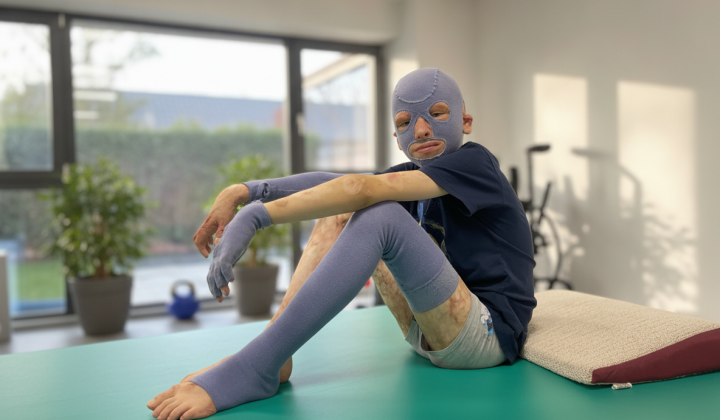
Rehabilitation rates for children with burns in Ukraine are alarmingly low
According to Рубрика — Суспільство: A new study by the charity fund Patients of Ukraine, the NGO Health Sciences Research Foundation, the Norwegian Institute of Public Health (NIPH), and Sunnaas Rehabilitation Hospital-with support from the Norwegian Agency for Development Cooperation (Norad)-has found that only about 7% of Ukrainian children with burns receive rehabilitation care. Timely rehabilitation after burn injuries is essential to prevent long-term disability and support recovery. Early rehabilitation, which should begin within 72 hours after a child's condition stabilizes, is provided to fewer than 6% of such children; among hospitalized patients, the figure is 8.61%.
The research team looked at electronic health records for 5,660 children with various types of burns. Of these, 2,438 children received inpatient treatment. In total, 431 children-7.6% of all patients-received some form of rehabilitation support. Among those hospitalized, 268 children (nearly 11%) received rehabilitation. However, only 5.9% of children with burns got early rehabilitation in the first 72 hours. These numbers point to major gaps in the delivery of rehabilitation services.
Why rehabilitation rates remain low
The study suggests that rehabilitation during the acute phase is often not documented because it is not separately reimbursed. For example, of 70 patients who received inpatient rehabilitation under NSZU packages, only four continued with outpatient treatment. Starting rehabilitation as soon as a child enters the hospital is considered essential. Lesia Strilka, head of the burn unit at Kyiv City Children's Clinical Hospital No. 1, said:
"A critical part of this process is a child's rehabilitation, which begins from the moment of admission to the hospital."
Several factors may explain the low rehabilitation figures: incomplete documentation, delays in starting recovery, and services being provided outside official reporting systems. The researchers also plan to examine what prevents early rehabilitation, why children do not move from inpatient to outpatient care, how multidisciplinary teams are organized, and what documentation problems exist for provided services.
It is also worth noting that the updated burn center at St. Nicholas Children's Hospital of the First Medical Association of Lviv has begun operations, making it the only specialized center in western Ukraine. This could be an important step toward better rehabilitation for children with burns in the region and the country as a whole. Still, as the study authors point out:
"This means that the vast majority of children who begin rehabilitation in the hospital have no recorded follow-up care after discharge."
The findings underscore the need to improve Ukraine's pediatric burn rehabilitation system. The low rate of rehabilitation support reveals serious shortcomings in medical practice. It is essential for public authorities to address these issues and take action to improve access to rehabilitation services so that children receive the support they need during recovery. The opening of new specialized centers may help, but their impact will depend on how well the wider rehabilitation system is organized and supported.

Read also