Lithuania Moves to Lift Ban on Nuclear Arms and NATO Bases Amid Kremlin Warnings


Constitutional Reform in Lithuania
According to 5 канал: On October 6, 2023, Lithuania's Seimas passed initial constitutional amendments removing the prohibition on hosting nuclear weapons and foreign military bases within its borders. The proposal received backing from 106 lawmakers, while 18 opposed it. The final vote is set for January 12, 2024, requiring a minimum of 94 votes to be enacted.
Seimas Speaker Juozas Oleka expressed strong approval of the move, stating that
"this removal will ensure we secure the strongest possible support."
He emphasized that eliminating Lithuania’s unique legal restrictions compared to other EU and NATO countries will allow the nation to stand on equal footing within these alliances.
Kremlin's Response and Enhanced Military Cooperation
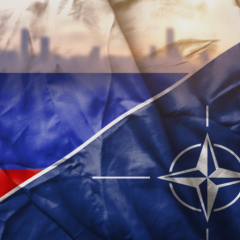
In reaction to Lithuania’s potential hosting of nuclear arms, Kremlin spokesperson Dmitry Peskov warned of "necessary measures," declaring that
"Russia will, of course, be compelled to take all essential steps to guarantee its own security."
He further noted that such a decision "will undermine stability and predictability in Europe, instead escalating tensions significantly."
Meanwhile, Lithuania has begun deploying a pilot version of Ukraine’s SkyFortress airspace monitoring system designed to detect drones and low-signature aerial threats. Lithuanian Defense Minister Robertas Kaunas highlighted this as a practical, battle-tested technology that enhances the country’s defense capabilities. These developments illustrate a deepening of military collaboration and a focus on bolstering regional security.
Lithuania’s constitutional changes signal a strategic shift in its national security policy amid rising tensions and threats from Russia. The country is actively working to strengthen its defense posture, a move that could have significant implications for Europe's overall security landscape. At the same time, the Kremlin’s warnings point to a risk of escalating conflict, as Russia has made clear its readiness to respond to these security adjustments. This dynamic sets the stage for intensified political and military maneuvers across the region.
The recent decision by Lithuania's Seimas to reconsider its stance on nuclear arms reflects a broader trend of escalating tensions in the region. This shift comes amidst Kremlin warnings and highlights Lithuania's intent to align more closely with NATO standards. For further insights into how Lithuania is responding to these challenges and the potential implications of lifting the nuclear weapons ban, read more about the current debates surrounding its constitutional reforms.

Read also