Russian Society, Not Just Putin, Is Behind the Atrocities in Ukraine, Former U.S. Envoy Says

The Scale of Brutality in Ukraine
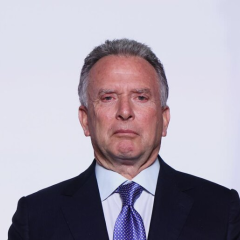
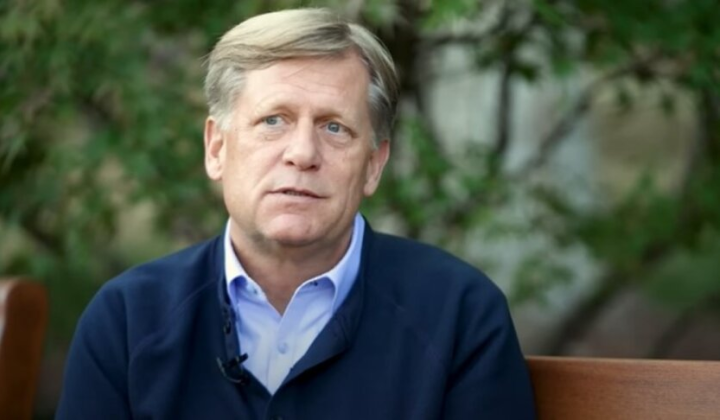
According to ХВИЛЯ: Michael McFaul, who served as the U.S. ambassador to Russia, argues that the large-scale horrors Russia has unleashed in Ukraine could never occur without broad approval from Russian citizens. Speaking on the Kyiv Independent's YouTube channel, he admitted that he previously underestimated how deep the cultural roots of this aggression ran, something the war has brought into sharp focus. McFaul stressed that such brutality cannot be carried out without support from the public, and he deliberately said “Russia” rather than “Putin” when assigning blame.
A Shift in How Russian Society Is Viewed
McFaul also acknowledged that for years he believed a clear line separated Russia's leadership from its people, but the war has forced him to rethink that assumption. Polling data shows that support for the Russian army's actions in Ukraine throughout the conflict stood at 70–80 percent, while 57 percent of Russians see strikes on Ukraine's energy infrastructure as justified. In addition, Ukraine's prosecutor general's office has documented 256,000 crimes linked to Russian aggression.
In McFaul's view, a quarter-century of Putin's rule has made Russian society more nationalist, more fascist-leaning, and increasingly anti-democratic. He added that if Russian society is ever to change, the process could take decades-if it happens at all.
“McFaul's remarks signal a turning point in how the Russian public's role in the war against Ukraine is understood.” - Kyiv Independent
The statement carries weight for the international community because it underscores that a state's actions cannot be separated from the prevailing attitudes of its people. What happens inside Russia-and how its society evolves-could greatly shape the trajectory of the war and any future resolution. For Western audiences, these reflections add a crucial layer to debates about collective responsibility and the prospects for democratic change in Russia.

Read also