Europe's Summer of Fire: Blazes Tear Across the Continent, From Portugal to Turkey

A Brutal Summer for Europe
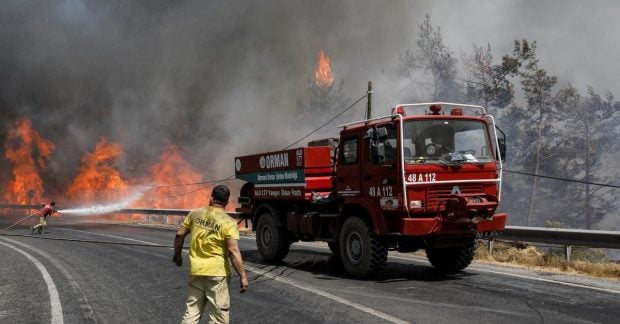
According to УНІАН — Туризм: The 2021 summer season brought catastrophic wildfires to Europe, with blazes burning along a path that stretched from Portugal's Atlantic coast to Turkey's southern shores. Hundreds of thousands of residents were forced to evacuate, and the flames reached some of the continent's most popular holiday destinations, including Greece, France, Spain, Portugal, Italy, the United Kingdom, and Turkey.
Greece's Crete island saw thousands of locals and visitors moved to safety over the course of a week, while similar evacuation efforts were under way on Paros. In France, the Gironde department recorded some of the worst damage, with tens of thousands of hectares consumed by fire. Although the Bordeaux airport kept running, officials urged tourists not to travel to the area.
Spain faced its most dangerous outbreaks near Madrid and in the provinces of Zamora and León, prompting a national emergency declaration that was later scaled back. Madrid's regional president, Isabel Díaz Ayuso, described the latest wildfire as the worst the region had ever seen. Temperatures above 41 degrees Celsius were expected, making conditions even more difficult for fire crews.
In Portugal, flames damaged homes in the vicinity of Valpaços, forcing around 800 people to flee and closing the A25 motorway. Italy also prepared for severe fire risk after the European Union issued its highest third-level alert for 19 cities, among them Rome, Venice, Milan, Naples, and Florence. In the United Kingdom, blazes broke out in Suffolk, Essex, the Cairngorms National Park, and parts of Greater Manchester and Derbyshire. Turkey's southern tourist provinces of Antalya and Muğla experienced extensive wildfires, leaving at least five people hurt, including three firefighters.
The broader context was a punishing spring and early summer: between May and June, extreme heat across 27 European countries caused more than 10,000 deaths, mostly among the elderly and people with existing health conditions. The Danube dropped so low that shipwrecks from the Second World War resurfaced, and Hungary's sole nuclear power station had to halt operations because there was not enough river water for cooling.
"This summer has every chance of becoming the largest fire season in Europe's history," said the head of the European Emergency Response Coordination Centre.
What happened in 2021 shows how seriously climate change is affecting European ecosystems and communities. With wildfires becoming more frequent and intense, stronger environmental protections and better disaster-preparedness plans are clearly needed. Governments and international bodies must cooperate to create effective responses to these growing threats in the years ahead.
The unprecedented heatwave gripping Europe has not only exacerbated the wildfire situation but also highlighted the growing threat of climate change. For a deeper understanding of how extreme temperatures are fueling these devastating fires across the continent, explore our article on the impact of extreme heat on forest fires.

Read also