11 One-on-One Meeting Templates Now Available for Managers

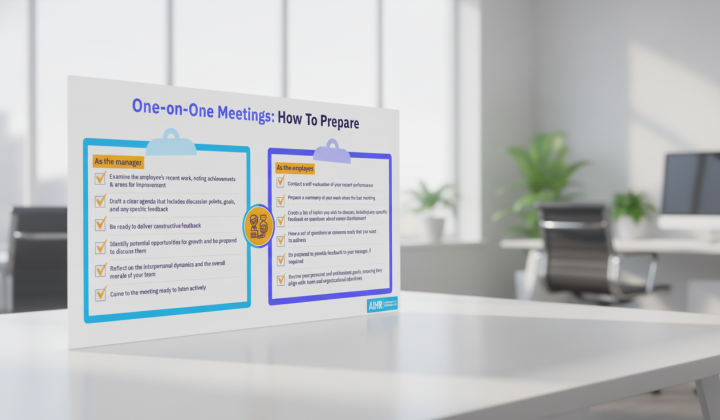
The Role of One-on-One Meetings in People Management
According to AIHR: One-on-one meetings between managers and employees are a cornerstone of effective people management. These sessions allow teams to discuss priorities, address challenges, share feedback, explore growth opportunities, and identify support needs. Despite their importance, more than 40% of weekly one-on-ones are rescheduled, according to the Reclaim's State of Productivity Report, highlighting a clear need to make these meetings more productive. Meanwhile, The State of One-on-Ones Report reveals that while 94% of surveyed managers hold these meetings, nearly half of the 250 employees surveyed rated their experience as suboptimal-underscoring how crucial proper preparation and execution really are.
For context, many organizations are increasingly relying on one-on-ones to boost engagement and retention, especially among younger workers. According to the Gallup How Millennials Want to Work and Live report, 59% of millennials say learning and growth opportunities are extremely important when job hunting, and 87% cite professional or career development as a key factor in choosing an employer. This makes one-on-one meetings a powerful tool for attracting and retaining young talent.
Templates for One-on-One Meetings
The resource offers 11 distinct one-on-one meeting templates, each designed to address a specific management need. Templates cover:
- Regular check-ins
- Weekly syncs
- Monthly reviews
- Onboarding sessions
- Career development discussions
- Problem-solving conversations
- Employee well-being talks
A key takeaway is that
“a strong one-on-one meeting template keeps conversations focused while still leaving room for employee-driven topics”
-a reminder that structure is essential without stifling open dialogue.
HR teams can support managers in running more effective one-on-ones by supplying templates, sample agendas, example questions, and follow-up guidance. Regular one-on-one meetings help sustain engagement, build trust, boost productivity, and strengthen manager-employee relationships. It's worth noting that different meeting types call for different questions and agendas, so tailoring the approach is critical.
Ultimately, one-on-one meetings are a vital component of modern people management, fostering employee development and improving overall organizational performance.
Given their importance in today's workplace, organizations should invest more in structuring and conducting these meetings effectively. With proper preparation and the right templates, companies can significantly enhance the impact of one-on-ones, leading to higher employee engagement. As competition for young talent intensifies, firms that implement strong management practices will gain a clear edge in attracting and retaining skilled professionals.
In addition to effective one-on-one meetings, organizations are increasingly leveraging various tools to enhance employee feedback mechanisms. By integrating the right employee feedback tools, companies can gain deeper insights into team dynamics and improve overall engagement, making it essential for managers to stay updated on the latest resources available.

Read also