Over 100 Frontline Evacuees Receive Extended Nursing Care Thanks to Ministry of Social Policy and East SOS

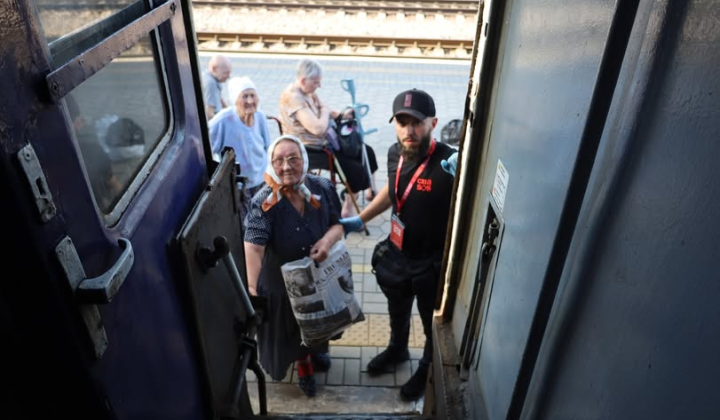
Comprehensive Long-Term Nursing Support
According to Міністерство соц. політики: Between August and September 2026, the Ministry of Social Policy, in partnership with the charity foundation East SOS, provided extended nursing care services to more than 100 evacuees from frontline areas. This support encompasses up to 60 days of temporary accommodation in medical facilities, including meals, psychological counseling, and social assistance. A major ongoing challenge remains securing permanent housing for evacuees, especially elderly individuals and those with disabilities.
Service Delivery Across Multiple Regions
According to the Ministry of Social Policy, these services were offered across several regions, including:
- Khmelnytskyi
- Chernivtsi
- Zhytomyr
- Dnipropetrovsk
- Kyiv
- Odesa
- and others
The evacuees range in age from 50 to 92 years and come from cities such as Kramatorsk, Druzhkivka, Kherson, Sloviansk, Vasylkivka, among other frontline communities.
One notable case is that of 85-year-old Antonina Mykhailivna, who was evacuated from Kramatorsk on July 2, 2026, after suffering a stroke. She initially received treatment in a hospital therapeutic ward, was then transferred to a transit center in Lozova, and subsequently moved to the social adaptation center for people with disabilities, Ocean of Good, in Dnipro. East SOS specialists also assisted her with renewing essential documents. Currently, Antonina is under medical supervision at Bilohirsk hospital.
The long-term nursing care program provides vital components such as lodging, meals, psychological support, medical treatment, and social guidance. Social workers play a key role in helping evacuees find permanent housing solutions and develop individualized follow-up plans. Notably, the entire program is fully funded by the Ministry of Social Policy.
This initiative represents a critical effort to assist those affected by the ongoing conflict, especially vulnerable populations. Beyond medical and social care, the program facilitates evacuees’ adjustment to new living environments. Given the continuing instability in the regions from which people are evacuated, such support is increasingly essential for improving the wellbeing of those most in need.
As the situation continues to evolve, the need for effective evacuation measures remains critical. Recently, the arrival of the sixteenth evacuation train from Donetsk has highlighted the ongoing challenges faced by vulnerable populations, including pensioners and individuals with disabilities. Understanding these efforts provides valuable insights into the broader context of support for evacuees.

Read also