The Art of Advance Visits: Why the C-17 Flies to Moscow

The appearance of an American military transport aircraft in Vnukovo easily turns into a story about secret negotiations. But in high diplomacy, sometimes the most interesting arrivals come not with politicians, but ahead of them.
The arrival of the American C-17 Globemaster III near Moscow's Vnukovo has once again activated the familiar information mechanism. A U.S. military plane is flying to Russia - therefore, negotiations are already taking place behind closed doors.
For social networks, the plot is almost perfect. For diplomatic logistics - it's quite routine.
The main clue lies not in the aircraft's route, but in the aircraft itself.
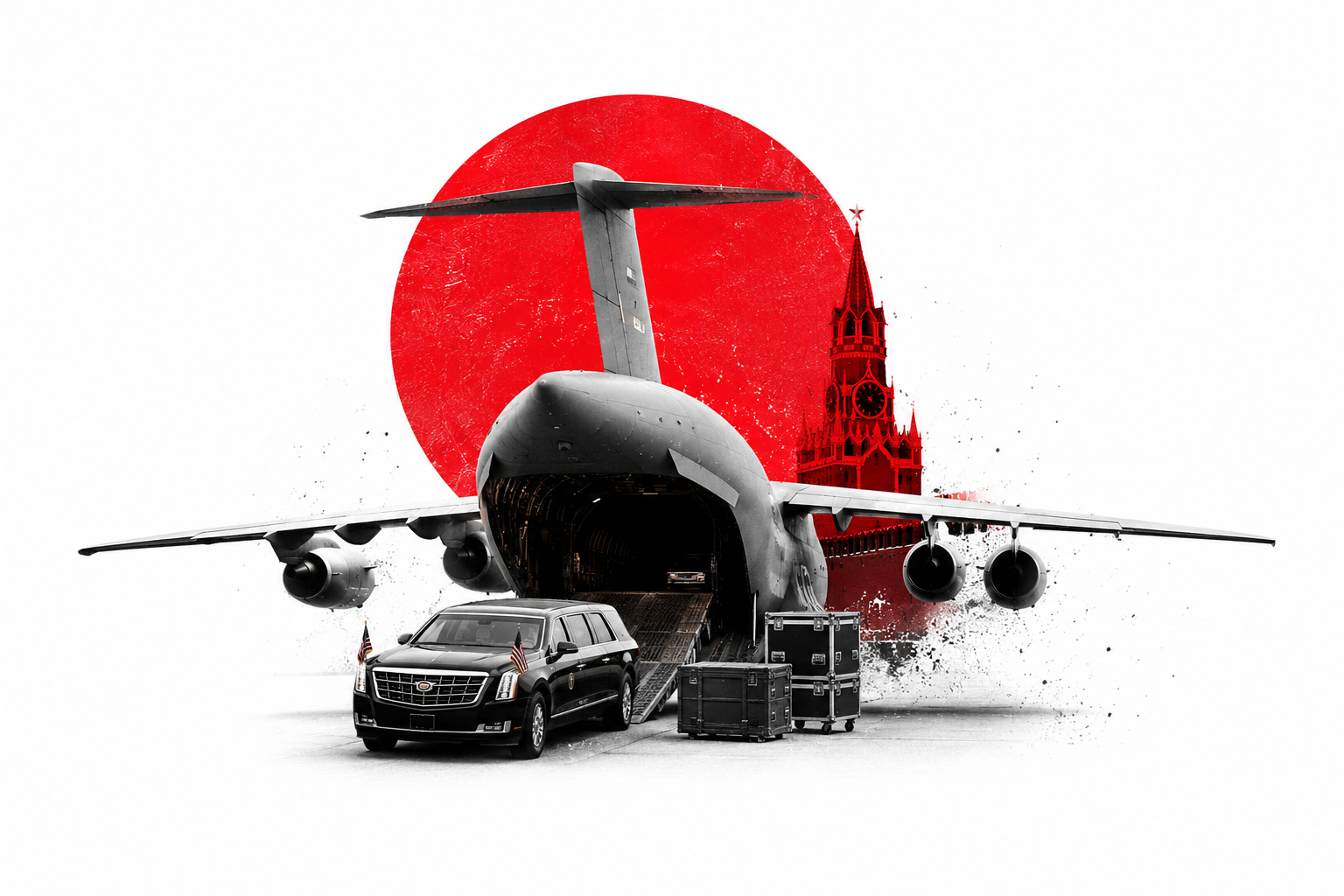
The C-17 is not a VIP liner for special envoys, diplomats, or White House advisors. It is a heavy military transport aircraft designed to transport people, vehicles, oversized cargo, and special equipment.
If Washington wants to discreetly deliver a negotiator to Moscow, there are far less theatrical ways to do so.
However, if several tons of equipment need to be delivered, the C-17 becomes a much more logical choice.
First, the Infrastructure Arrives
The visit of a high-ranking American official begins long before his aircraft touches down on the runway.
An advance team works ahead of the main delegation, checking routes, communications, transportation, security, facilities, and dozens of other details.
For particularly important visits, the scale of this operation can be significant.
It is necessary to deliver secure communication equipment. Prepare transportation. Check communication channels. Deploy security equipment. Ensure the American delegation's autonomy from local infrastructure where protocols demand it.
This is where the heavy transport aircraft stops looking mysterious.
It does not carry diplomacy.
It carries what often makes high-level diplomacy possible.
Two Scenarios
The flight of the C-17 to Moscow has at least two rational explanations.
The first is logistical support for a potential visit or negotiation track.
If Washington and Moscow are preparing for high-level in-person contact, technical and security services begin working long before the politicians do. In this case, the transport flight can deliver equipment, communication means, transport, or cargo for the advance team.
An intermediate landing at an American or allied base in Europe should also not be surprising. For U.S. military aviation, this is a normal part of the logistics chain: refueling, crew change, technical procedures, or cargo formation before the next segment of the route.
The second explanation is much more mundane - ensuring a diplomatic mission.
Even during periods of acute confrontation, embassies continue to operate. They need secure communication systems, special equipment, diplomatic cargo, and infrastructure maintenance.
Separate agreed military transport flights may be used precisely for such tasks, as well as within the framework of special humanitarian or exchange operations.
A Secret Plane Everyone Can See
There is one more detail that poorly associates with the word 'secret.'
Transponder.
If a military aircraft flies with an identification mode that allows civilian services to track its route, hiding the very fact of the flight is clearly not the main task.
This does not mean that the public knows the nature of the cargo or the mission's purpose. A military transport can very well perform a sensitive task while remaining visible in the airspace.
However, there is a significant difference between 'sensitive' and 'secret.'
The flight of an American military aircraft to Russia under the current conditions requires coordination of routes, permits, and notifications from the relevant services. That is why the demonstrative visibility of the C-17 is more indicative of a controlled procedure than an aviation special operation.
A Diplomatic Shadow
And yet, completely ignoring such a flight would be a mistake.
In diplomacy, logistics often precede politics.
Before presidents sit at the same table, someone has to check the room. Before an envoy arrives for negotiations, someone must provide secure communication for him. Before a summit is announced, dozens of people may already be working to make it physically possible.
Thus, the C-17 in Vnukovo is not evidence that secret negotiations have already begun.
But under certain circumstances, it can be an indirect sign that infrastructure is being created for contact that has not yet been publicly announced.
In high diplomacy, politicians arrive last.
First come the boxes.

Read also