International Researchers Reconstruct the Face of the Oldest Known Homo sapiens, Over 315,000 Years Old

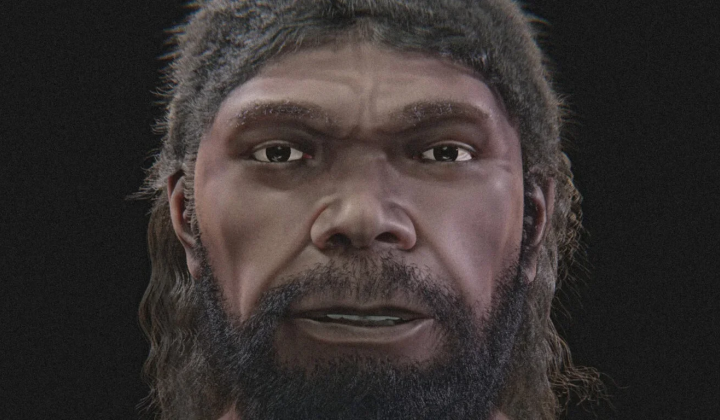
Digital Restoration of the Earliest Homo sapiens' Face
According to НВ — Техно: A global team of scientists has unveiled the first-ever digital facial reconstruction of the oldest identified Homo sapiens individual, dating back approximately 315,000 years. This reconstruction is based on fossil remains discovered in the 1960s at the Jebel Irhoud site in Morocco. Initially, these fossils were mistakenly dated to around 40,000 years ago and thought to belong to Neanderthals, but advanced dating techniques applied in 2017 significantly revised their age.
How the Reconstruction Was Created
The Max Planck Institute for Evolutionary Anthropology led the reconstruction effort, utilizing several specimens from a single archaeological layer. The reconstructed skull model has a cranial capacity of 1364 milliliters. 3D artist Cícero Moraes employed anatomical deformation techniques using the Blender software, while soft tissue thickness was estimated based on CT scan data from modern humans.
The reconstruction is presented in two formats: a neutral black-and-white version and a colored version featuring hair and surrounding vegetation. The detailed scientific findings are published in the journal Heritage. This work marks a significant advancement in human evolutionary studies, offering fresh insight into the physical appearance of our earliest ancestors.
This achievement represents a major breakthrough in understanding human evolution by providing scientists with a clearer image of the earliest members of our species. The updated dating methods highlight the critical role of technological progress in archaeology and anthropology. These results also pave the way for future investigations into the genetic and cultural development of Homo sapiens.
As researchers continue to uncover our ancient relatives, the recent discovery of the oldest known adult Homo erectus skull in South Africa, dating back nearly 2 million years, adds another layer to our understanding of human evolution. This finding highlights the ongoing advancements in paleoanthropology and the importance of fossil records in piecing together the story of our species' development.

Read also