Assessing the Risk of a Third World War by 2025 Amid Rising Global Tensions

Evaluating the Threat of a Third World War
According to ХВИЛЯ: The global geopolitical climate between 2022 and 2025 is marked by escalating conflicts and alliances that raise serious concerns about a potential Third World War. The ongoing Russia-Ukraine conflict, China's recent military drills, and a defense pact between Russia and North Korea are key developments heightening international security risks. Increasingly, global leaders and analysts warn about the possibility of a large-scale global confrontation.
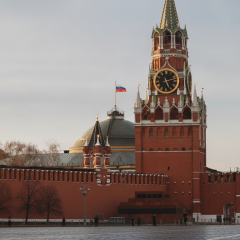
Recent events underscore these dangers: deadly missile strikes shut down Riyadh’s airport last week, while Russian attacks in Ukraine reportedly claimed over 100 civilian lives, sparking international alarm. Poland has issued warnings about potential casualties if Russian aggression spreads into the European Union. Meanwhile, China conducted a six-day live-fire military exercise along its coastline, signaling rising regional tensions.
Geopolitical Shifts and Their Impact
The Munich Security Conference, concluding on February 20, 2022, foreshadowed the full-scale Russian invasion of Ukraine that began on February 24, 2022. According to UK government sources, Russia has suffered approximately 1.5 million casualties, including dead and wounded, since the conflict's onset. NATO Secretary-General Mark Rutte issued a stark warning in 2025 about the threat of a major European war, stating,
“We are the next target of Russia... and must prepare for a conflict on a scale our grandparents or great-grandparents endured.”
In 2024, German Chancellor Friedrich Merz declared that Germany is neither at peace nor at war, reflecting the nation’s uneasy position. That same year, Russia and North Korea formalized a mutual defense agreement, with North Korean forces reportedly deploying to the Ukrainian front by 2025. In response, Ukraine has shared its expertise in counter-drone warfare with Gulf states, highlighting the conflict’s technological aspects.
Russia’s involvement extends beyond Ukraine, notably supporting Iran in attacks on U.S. military bases across the Middle East. Meanwhile, the G7’s share of global GDP has declined from nearly two-thirds in 1989 to around 43% by 2022, with their military spending constituting only half of worldwide defense expenditures, signaling shifting global power dynamics.
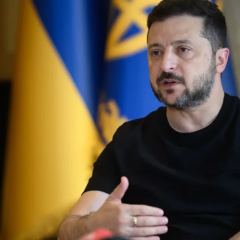
In February 2025, former U.S. President Donald Trump accused Ukrainian President Volodymyr Zelenskyy of 'playing with the prospect of World War III.' Simultaneously, debates surrounding the U.S. Taiwan Relations Act have raised questions about America’s commitments, stirring NATO-related uncertainties. Political strategist Steven Miller emphasized the harsh realities of global power, stating,
“You can speak all you want about international courtesies, but we live in a world ruled by strength, power, and authority.”
Experts identify key indicators that could signal the outbreak of a world war, including:
- direct military confrontation between the world’s leading powers
- combat operations spanning multiple continents
The so-called 'axis of adversaries' comprises Russia, China, Iran, and North Korea. Influential leaders with assertive styles-including Vladimir Putin, Xi Jinping, Donald Trump, and Benjamin Netanyahu-play significant roles in shaping today’s international landscape.
Currently, the world faces profound challenges to global security. Russia’s war in Ukraine has now lasted longer than the Soviet Union’s conflict against Nazi Germany, underscoring the conflict’s severity and duration. This precarious international environment demands careful analysis and proactive measures to prevent further military escalation.
Given recent developments, it is clear that the global community stands at a critical crossroads. Each new conflict risks triggering even greater escalations. The ongoing war in Ukraine, combined with Russia’s broader regional activities, reflects the emergence of global factions whose actions could reshape the international order. It is essential that nations prioritize diplomacy and conflict prevention to safeguard global stability and peace.

Read also